
Authentic OFUTON KOBO Japanese Shikibuton

Made in JapanSince 1873Over 150 years of futon-making

— Enriching life, from the bedroom —

A gentle lift in the morning. A soft landing at night.
We make futons for the quiet, everyday comforts of home.

A foldable Japanese shikibuton,
made for the quiet rhythm
of everyday life at home.

Made at our own factory in Japan, where skilled craftspeople use specialized equipment
to sew and finish each futon with practiced precision.

Good sleep, fair value.

— OFUTON KOBO SERIES GUIDE —

You sleep on it every night.
Choose it with care.

What is a shikibuton? →

HIMARI 日葵Our signature line · balanced support · everyday comfort

SORA 宙Approx. 12 cm loft · 50% premium wool · balanced, fuller comfort

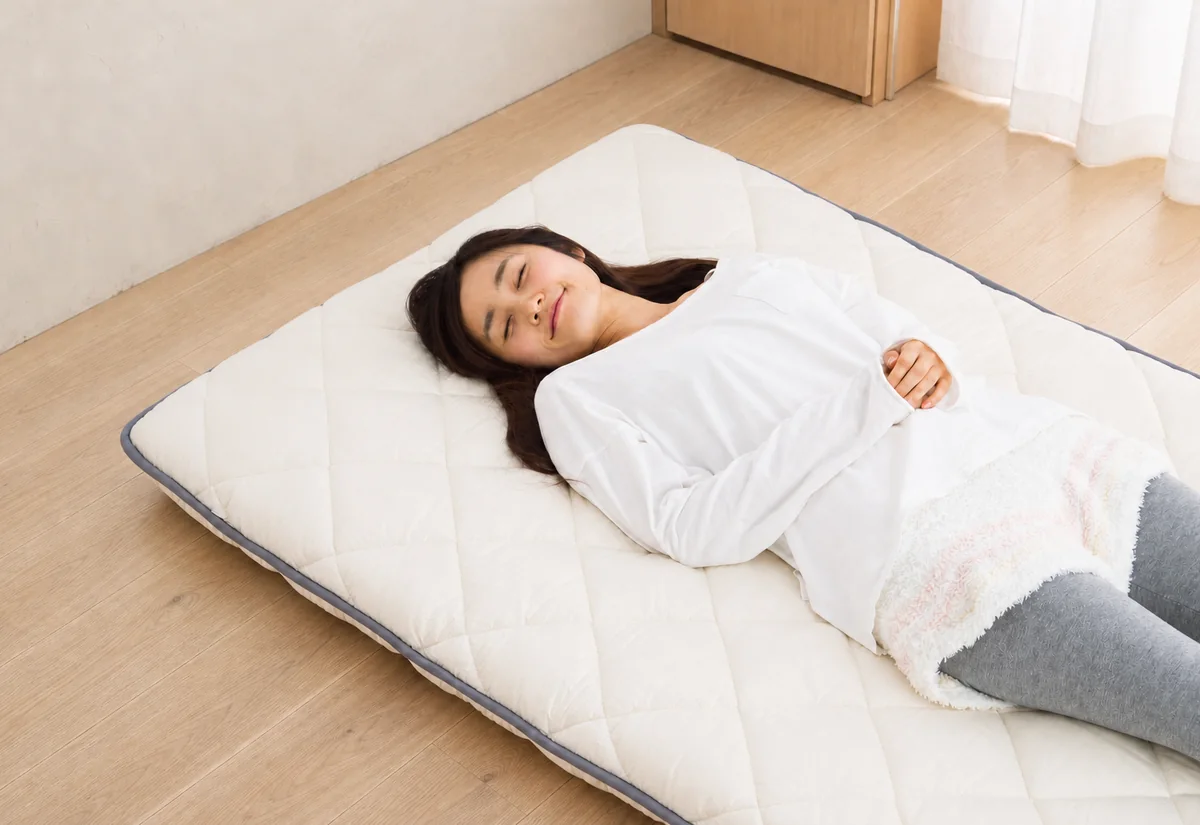
HIMARI 日葵 Japanese shikibuton made in JapanEveryday signature

No. 01

HIMARI 日葵(25% wool)

SIGNATURE · MAIN LINE

HIMARI is the signature standard of OFUTON KOBO: balanced, approachable, and made for everyday floor sleep.

With around 10 cm of loft and a filling that contains 25% wool, it combines steady support with a comfortable balance of breathability and natural warmth throughout the seasons.

For first-time shikibuton users, it is the reassuring choice: versatile, easy to live with, and thoughtfully balanced for every night.

SupportFirmSoft
Thicknessapprox. 10 cm

— A reassuring first step into the Japanese shikibuton —
LEARN MORE
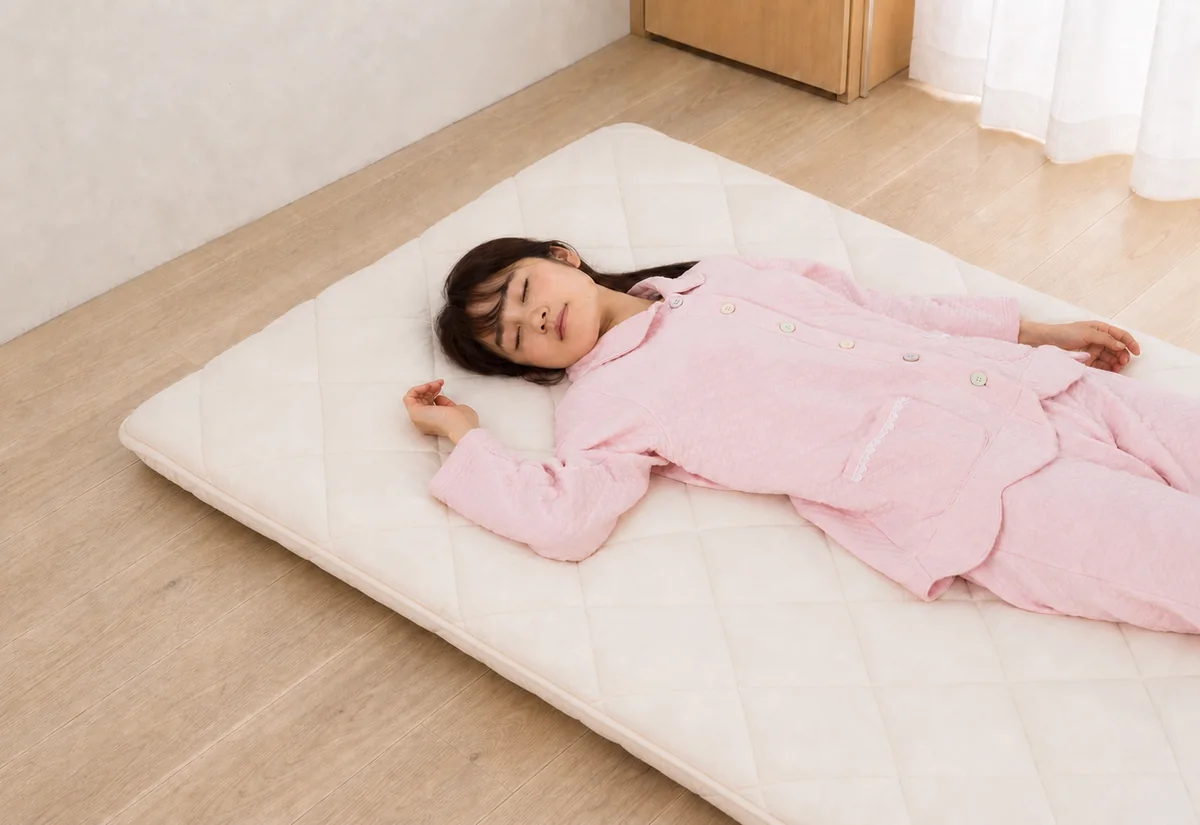
SORA 宙 Japanese shikibuton made in Japan150th anniversary limited edition

No. 02

SORA (50% premium wool blend)

PREMIUM · DELUXE

SORA is the flagship of the OFUTON KOBO series: a fuller expression of traditional Japanese floor sleep with more generous loft and natural wool.

With around 12 cm of loft and a filling that contains 50% premium wool, it offers deeper cushioning, a balanced medium feel, and a more substantial sense of comfort without giving up daily foldability.

Designed for sleepers who prefer a noticeably fuller shikibuton, breathable natural warmth, and a calm, supportive feel for everyday sleep.

SupportFirmSoft
Thicknessapprox. 12 cm

— Flagship comfort, thoughtfully balanced —

J Quality certification
MADE IN JAPAN

Shared by both signature lines · stitched in Japan · every stage certified under J Quality · K2600190003

— 150 YEARS OF CRAFT —

From one family shop
to five generations.

OFUTON KOBO factory illustration
Oyama, Tochigi · Japan

OFUTON KOBO began with a cotton shop in Tokyo in 1873. The same family standard now continues at its own factory in Tochigi.

Materials are selected with care, experienced hands oversee production, and each shikibuton is made entirely in Japan before being sent abroad.

Explore Our Workshop →
  1. 1873

    Tokyo

    Takahashi Yōzō opens the family cotton shop in Kōtō.

  2. 1947

    Futon making

    The family turns its focus to dependable cotton futons.

  3. 2023

    150 years

    Five generations of Japanese bedding craft are marked.

  4. Today

    From Japan

    HIMARI and SORA are dispatched to homes around the world.

— MADE IN JAPAN —

Five stages. One standard.

From material preparation to planning and retail, every certified stage remains in Japan.

J QUALITY

MADE IN JAPAN

Whole-process futon manufacturer certification

No. K2600190003
  1. 01
    Cotton prep

    Cotton preparation · carding · No. K2104190001

  2. 02
    Fibre refining

    Fibre refinement · No. K2104190001

  3. 03
    Sewing

    Sewn at our own factory in Japan · No. K2107190005

  4. 04
    Manufacturing

    Filling & finishing · No. K2105190002

  5. 05
    Planning & retail

    Planning · direct retail · No. K2106190004

Oyama, TochigiOwn Japanese factory

Five generationsFamily standard since 1873

HIMARI · SORAMade in Japan for international homes

— SHIKIBUTON CULTURE —

What is a Japanese shikibuton?

The Japanese futon mattress — a quiet introduction to the bedding loved across Japan

A shikibuton, the traditional Japanese floor mattress, is familiar in homes across Japan. It can be laid on tatami, a breathable bed base, a wooden floor or another suitable surface, then folded, aired or stored after use. This flexibility reflects the Japanese tradition of allowing one room to serve many purposes.

Learn more