What does the word shikibuton mean?
In Japanese bedding, shikibuton means the lower futon layer: the mat placed under the body. In English it is also written as shikifuton or shiki futon. The spellings vary, but they refer to the same floor-sleeping bedding used in Japanese homes.
Outside Japan, futon often means a sofa bed. A Japanese shikibuton is different. It is bedding for sleep, made to rest on a firm surface, then lifted and aired so moisture does not stay trapped underneath.
How is it used in a Japanese home?
The daily rhythm is practical. Lay the shikibuton out before sleep. In the morning, lift it from the floor or base, let air reach the underside, then fold or stand it before the room is used again.
That habit is part of why a Japanese room can change by time of day. A washitsu or tatami room can become a sleeping room at night and return to living space in the morning. The bedding is not meant to stay sealed against the floor all day.
This is also the part many customers abroad remember after staying at a ryokan or minshuku. The comfort is not only the mat itself. It is the mat, the firm surface, and the routine of airing and putting the bedding away.
Can it be used without tatami?
Tatami is the traditional base, but it is not the only possible base. A shikibuton needs a firm, level, dry surface. It should not sink into a soft base, and the underside should be checked regularly.
On a wood floor, moisture care matters more because the floor does not absorb and release humidity like tatami. Use a breathable layer such as a moisture-control sheet or ventilated support, and lift the bedding after sleep.
A firm platform or low frame can also work when it supports the full size evenly and allows airflow. Check that the base stays firm, dry, and open enough for the bedding to breathe.
How should a shikibuton be aired?
After sleep, raise the shikibuton so air reaches the underside. Turn it from time to time so both sides dry and normal settling is spread more evenly.
For sun or outdoor airing, choose a dry day and avoid overdoing it. Covering the fabric with a sheet helps protect the surface. Strong beating is not useful for the bedding; remove dust gently instead.
In humid seasons or rooms with little ventilation, use a dehumidifier or moisture-control layer if needed. Still lift the shikibuton after sleep so the underside can dry.
The shikibuton itself is not machine washable; use a fitted sheet and wash the sheet.
How do HIMARI and SORA fit this routine?
HIMARI is the Japanese household standard in our current international line. It has about 10 cm of loft, a firm centre core, wool-blend layers on both sides, and 25% wool in the filling. Choose HIMARI when you want the standard thickness used in Japanese homes.
SORA keeps the same basic sleeping idea and adds more depth. It has about 12 cm of loft and a 50% wool blend. We make SORA for customers abroad who want more depth under the shoulders and hips, including side sleepers and people used to a Western mattress.
HIMARI and SORA both fold into thirds for airing and storage. Both are made in Japan in our own workshop in Oyama, Tochigi.
After sleeping on futon bedding in Japan
Many customers first look for a shikibuton after sleeping in a ryokan, onsen inn, minshuku, or tatami room while traveling in Japan. They are not looking for a couch futon. They are trying to find the same kind of bedding used in Japanese rooms.
For that search, the important questions are concrete: Is it made in Japan? How thick is it? How is it shipped? How should it be aired at home?
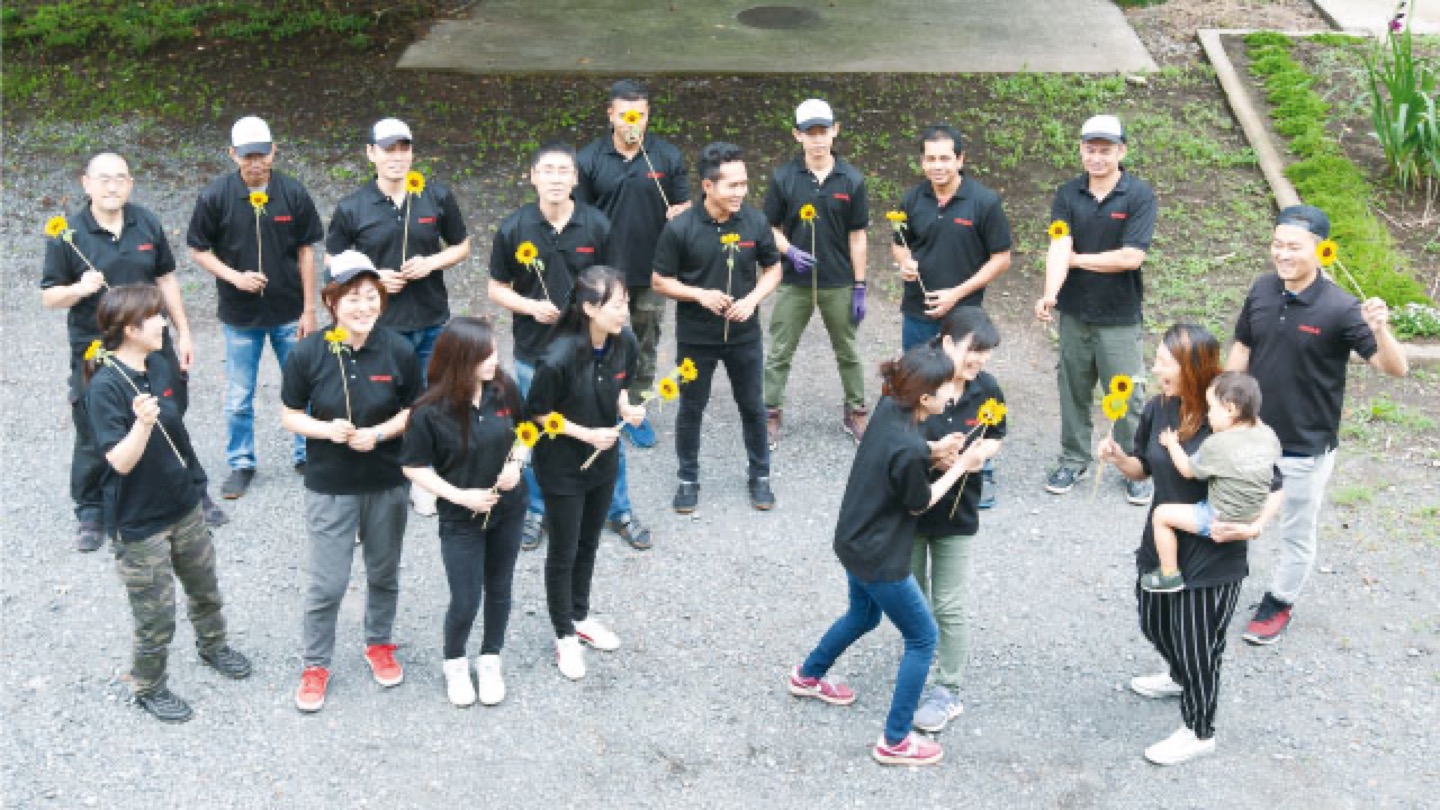
OFUTON KOBO began as a family cotton shop in Tokyo in 1873. Today we make HIMARI and SORA in our own workshop in Oyama, Tochigi, and send them directly from Japan by Japan Post EMS.
For homes in Hong Kong
Hong Kong homes often need bedding that can work in compact rooms. A shikibuton is laid out for sleep, then folded or stood up so the room can be used again.
Because Hong Kong is humid, airflow is not optional. Use a firm, dry surface, lift the bedding after sleep, and consider a ventilated support or moisture-control layer.
Compare the Japanese centimetre measurements with the space you have at home. HIMARI is the Japanese household standard; SORA adds more depth for customers who want a taller sleeping surface.
Fact table
- Japanese term
- Shikibuton, also spelled shikifuton or shiki futon
- Main use
- A foldable sleeping mat placed under the body for sleep
- Daily routine
- Lay out at night, air after sleep, fold for daytime
- Traditional base
- Tatami
- Other possible bases
- Clean wood floor with moisture care, firm ventilated platform, or stable low frame
- Care habit
- Lift and air after sleep; use a sheet; do not keep sealed against the floor all day
- Washing
- The shikibuton itself is not machine washable; use a fitted sheet and wash the sheet
- HIMARI
- About 10 cm loft, Japanese household standard, 25% wool in the filling
- SORA
- About 12 cm loft, made deeper for customers abroad, 50% wool blend
- Shipping
- Shipping included to Hong Kong. We process and ship your order within 2 business days (Japan time). Japan Post EMS delivery usually takes about 10 to 14 days after dispatch.
FAQ
Is a shikibuton the same as a Western futon?
No. In many English-speaking countries, futon often means a sofa bed. A Japanese shikibuton is a foldable sleeping mat used close to the floor or on a firm, ventilated base.
Do I need tatami to use a shikibuton?
No. Tatami is traditional, but a clean, firm, level, ventilated surface can also work. On wood floors and modern frames, moisture care and regular airing become more important.
Should I choose HIMARI or SORA?
Choose HIMARI if you want the standard thickness used in Japanese homes, about 10 cm with a firm, level feel. Choose SORA if you want more depth under the body, about 12 cm with a 50% wool blend.
Can I leave a shikibuton on the floor all day?
It is better to lift, fold, or stand it after sleep. This lets air reach the underside and helps keep both the bedding and the floor dry.
Can I machine wash a shikibuton?
No. The shikibuton itself is not machine washable. Use a fitted sheet, wash the sheet regularly, and air the shikibuton itself after sleep.
Can I use a shikibuton after staying at a ryokan in Japan?
Yes, if you prepare the surface and care routine. Use a firm, dry, level base, lift and air the bedding after sleep, and choose HIMARI or SORA depending on whether you want the Japanese household standard or more depth.
How is it sent from Japan?
Shipping included. We process and ship your order within 2 business days (Japan time). Japan Post EMS delivery usually takes about 10 to 14 days after dispatch.
Can I use a shikibuton in Hong Kong without tatami?
Yes, if the base is firm, level, dry, and ventilated. In Hong Kong's humidity, regular airing and moisture care are especially important.
Can OFUTON KOBO send HIMARI or SORA to Hong Kong?
Yes. HIMARI and SORA are sent directly from Japan to Hong Kong by Japan Post EMS through our official international Shopify store.
Which OFUTON KOBO model fits Hong Kong homes?
Choose HIMARI if you want the Japanese household standard and a lower profile. Choose SORA if you want more depth while still keeping a fold-away Japanese bedding routine.