
Our Story | OFUTON KOBO
Values, traditions, and the things once held dear
are shifting little by little — and quietly slipping away.
In times like these, some of us look as though the age has passed us by.
Or perhaps — stubbornly —
we have simply carried the founding spirit forward, exactly as it was.
Yes — that is us, OFUTON KOBO:
a house that set out in 1873, the sixth year of Meiji,
a family of artisans devoted, across five generations, to one thing — the shikibuton.
In our own atelier,
each day turns on a single thought:
that when a futon reaches your hands, you will quietly say, “this is good.”
Our machines have been kept,
one by one, since the first generation of the house;
the eye and the hand
belong to skilled artisans, honed over many years;
the material
is carefully chosen Japanese cotton.
The quiet goodness of a fine shikibuton —
we should like more people to know it.
Online, the ways of describing things grow ever more elaborate,
while the real differences between products become harder to tell apart.
That, precisely, is why we believe —
who made a futon, and with what intention,
together with how it feels in your hands and what our customers say of it,
is often what carries that small, decisive difference.
A shikibuton to make life a little richer.
OFUTON KOBO · made with care, placed in your hands
— CRAFTSMEN —
Craftsmen
At OFUTON KOBO — the family and seventeen craftspeople
A single shikibuton passes through five steps and dozens of hands. At OFUTON KOBO, behind every step there is a specific person — their name, their years of service, the step they handle, and their story with the workshop.
Inside the OFUTON KOBO workshop
OFUTON KOBO · generations
In the spring of 1873, OFUTON KOBO opened in Sarue, Kōtō, Tokyo. From the founder Takahashi Yōzō to today, the workshop has passed through five generations — a cotton shop, futon manufacturing, a family crisis, and direct online sales. Though the five generations bear different surnames, they have done the same thing: making every shikibuton worthy of the person who takes it home.
In 2017, the third-generation head Nakajō Teruo handed the representative’s post to the Fifth Generation, Nakajō Yūsuke. For a century-old workshop, succession is never an end — it is how the family trade has lasted to this day.
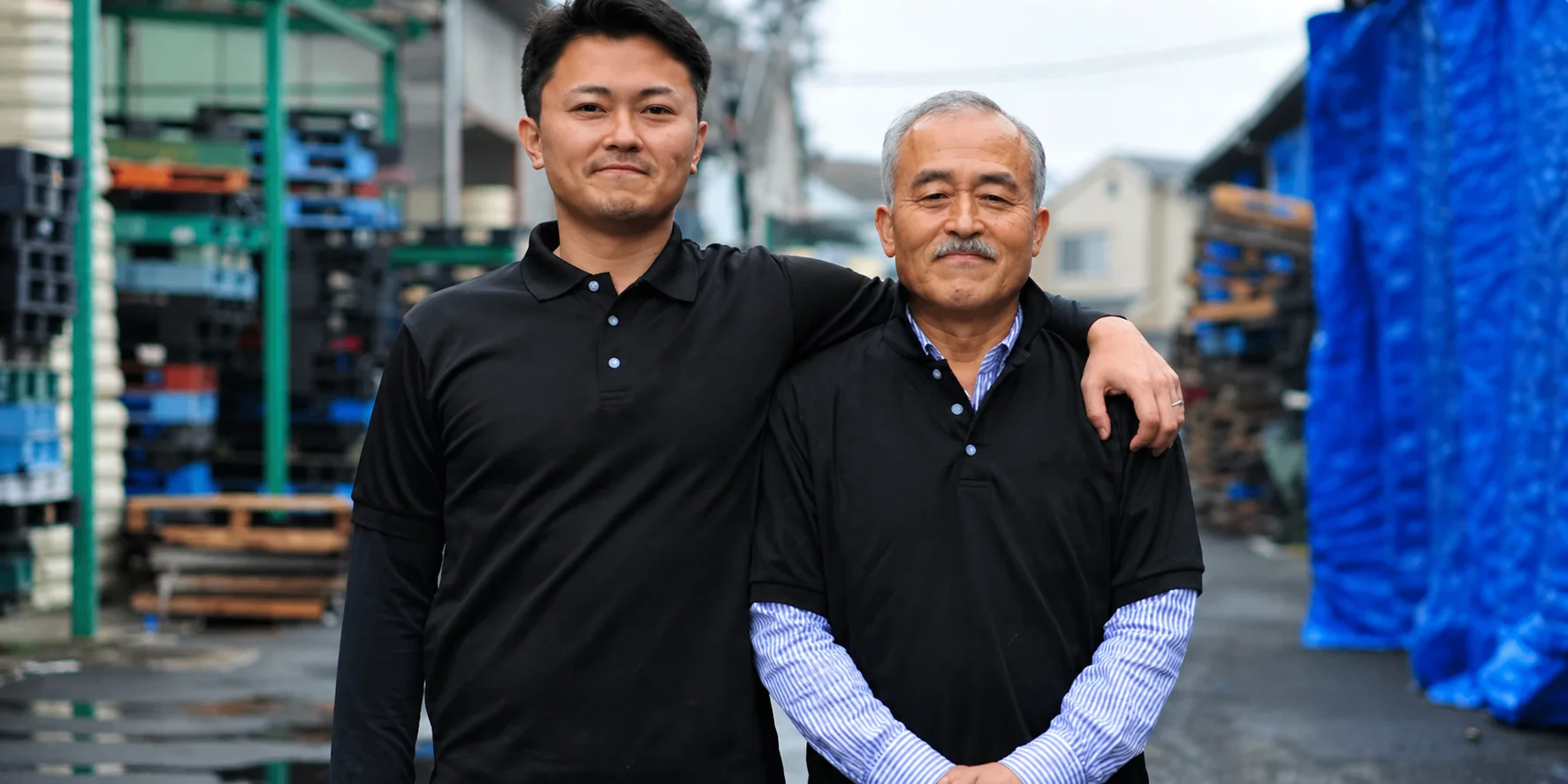
Nakajō Yūsuke
Joined in 2012 and first rotated through every step of the workshop — raw-cotton processing, fine wool, quilting, shipping, customer service. In 2013 he launched direct online sales, removing the wholesaler between the workshop and its customers. In 2017 he took over the representative’s post from his father.
“A family workshop is not made by printing a surname on a business card —VIEW PROFILE →
it is making every shikibuton worthy of that name.”
Nakajō Teruo
Took over the workshop from his father in 1989 (Heisei 1). He led it through the low point of its 2001 civil-rehabilitation filing, and in the hardest years recalibrated the craft standard to one “you can recommend to family with a clear conscience.” In 2017 he passed the representative’s post to the Fifth Generation, Yūsuke.
“When I return to the workshop now and then,VIEW PROFILE →
and see the staff working with Yūsuke at the same thing handed down since 1873 —
that is the greatest reassurance of my generation.”
One workshop · one group of people
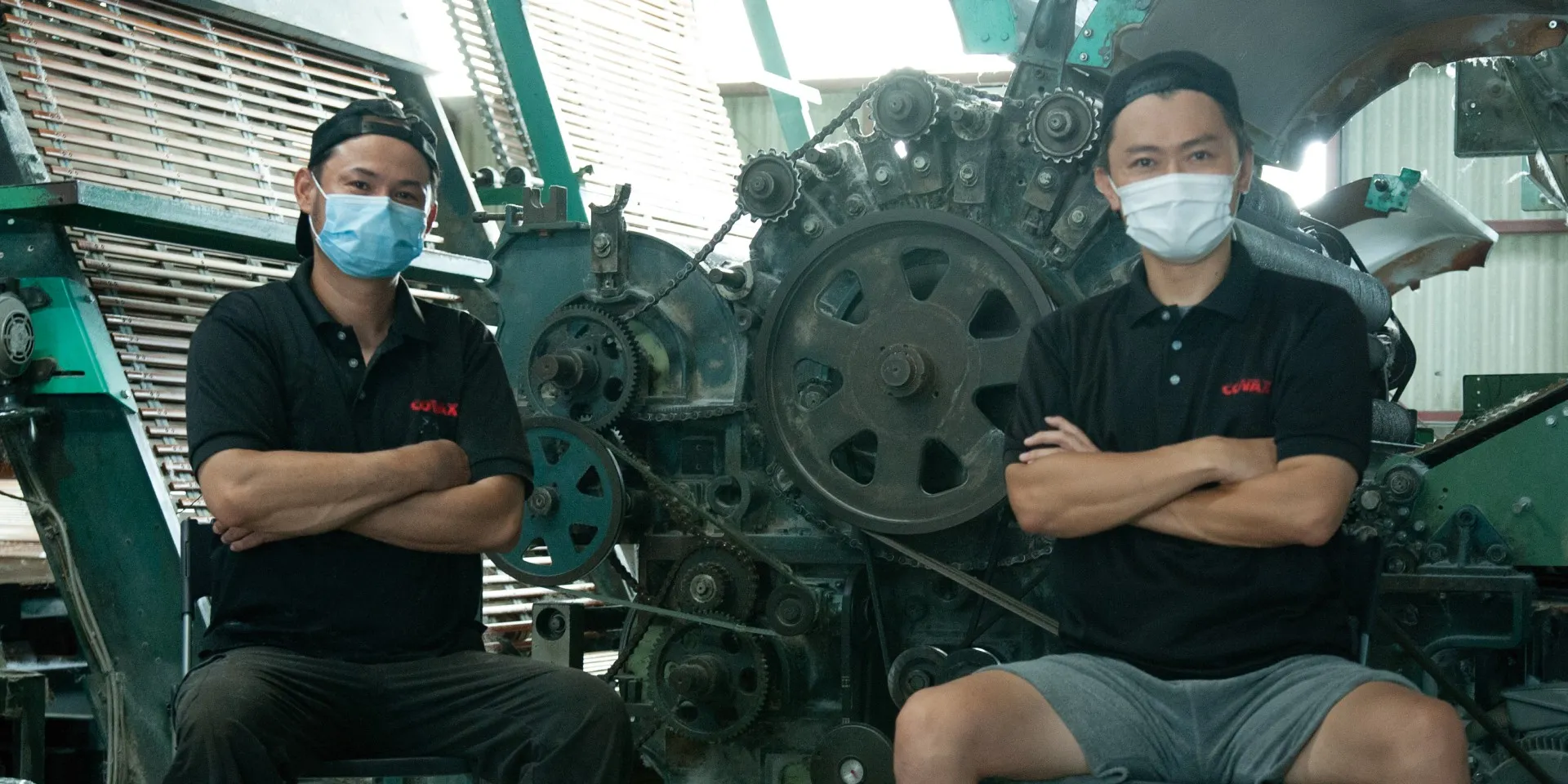
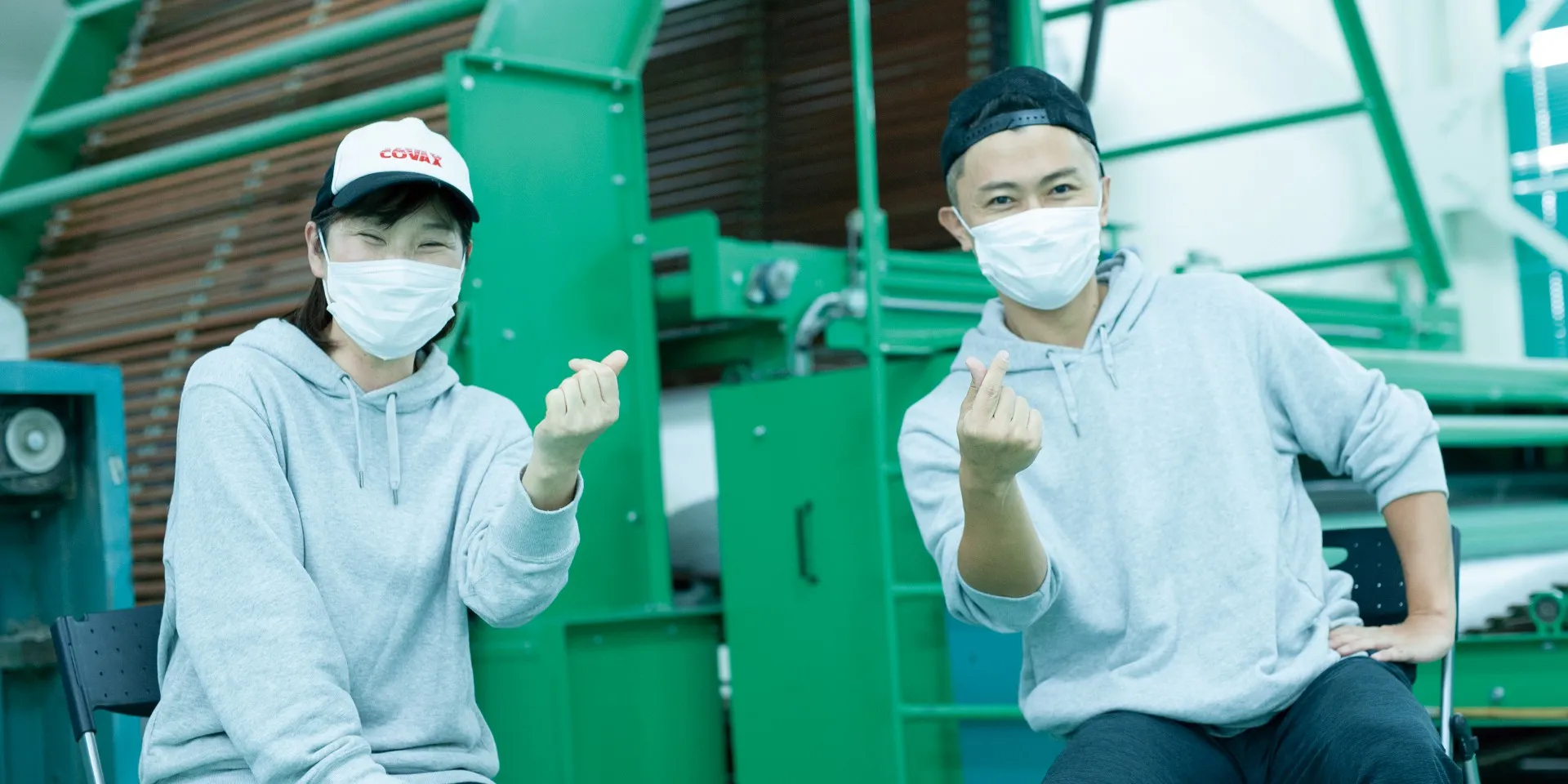
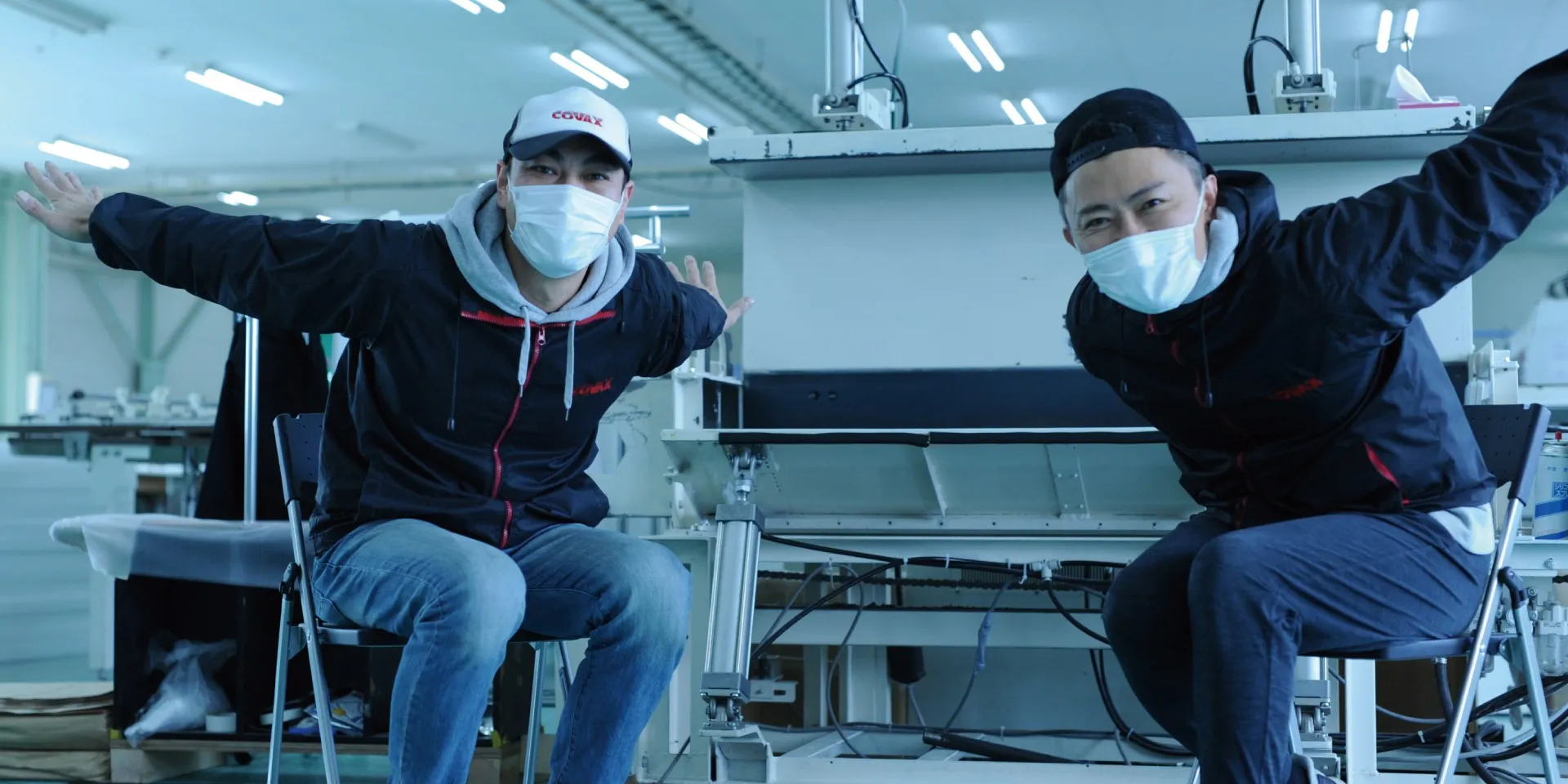
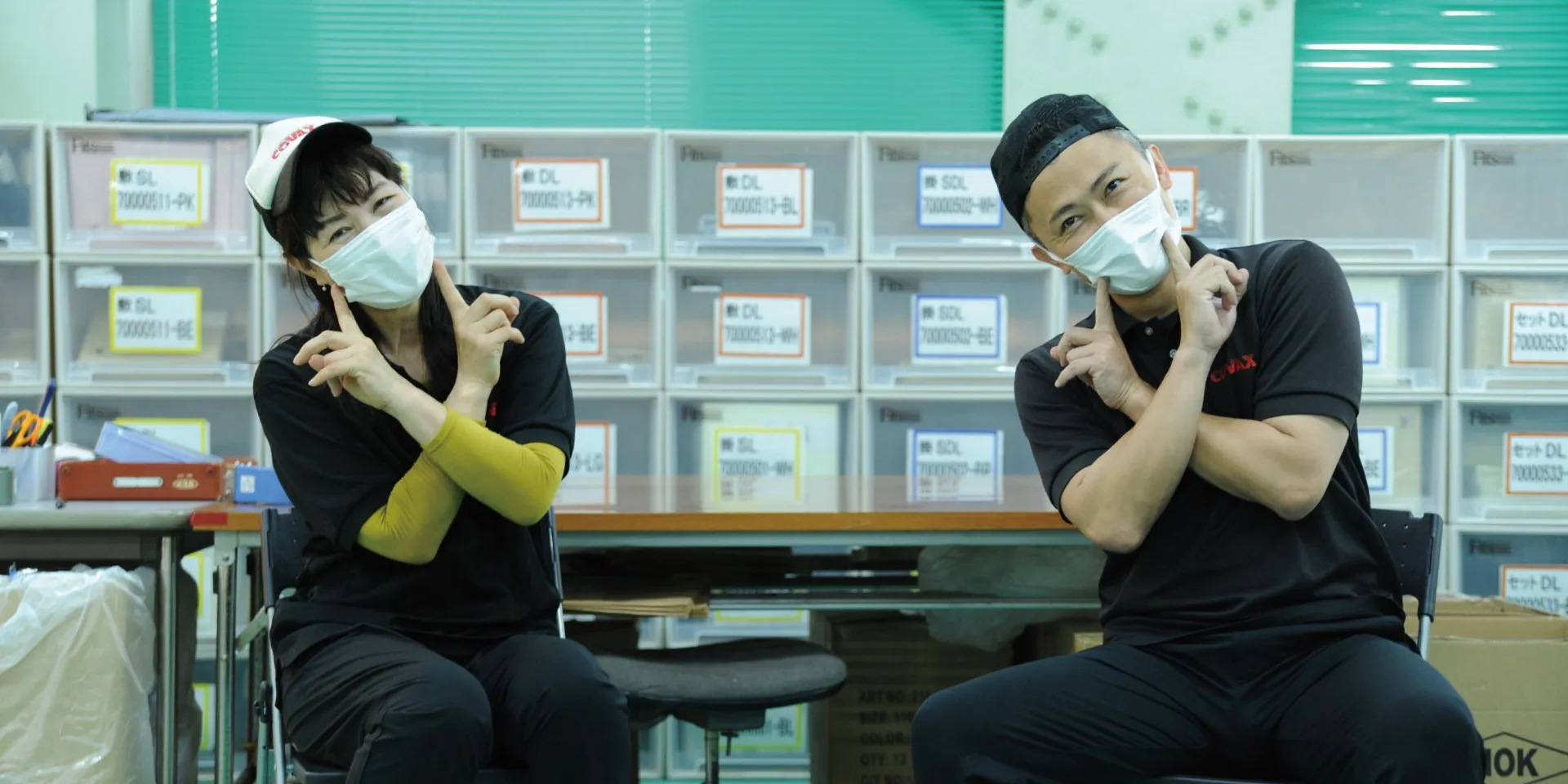
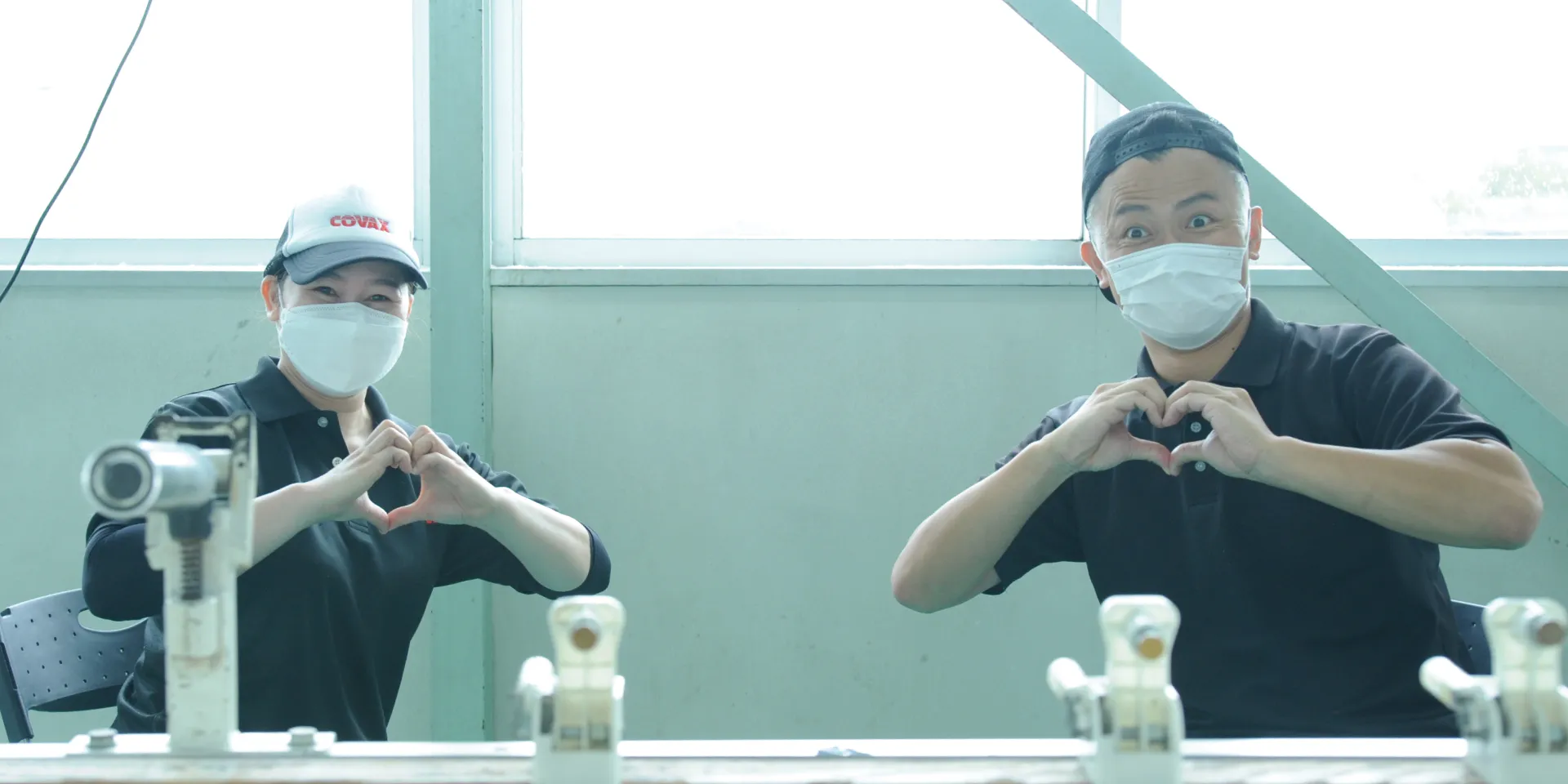
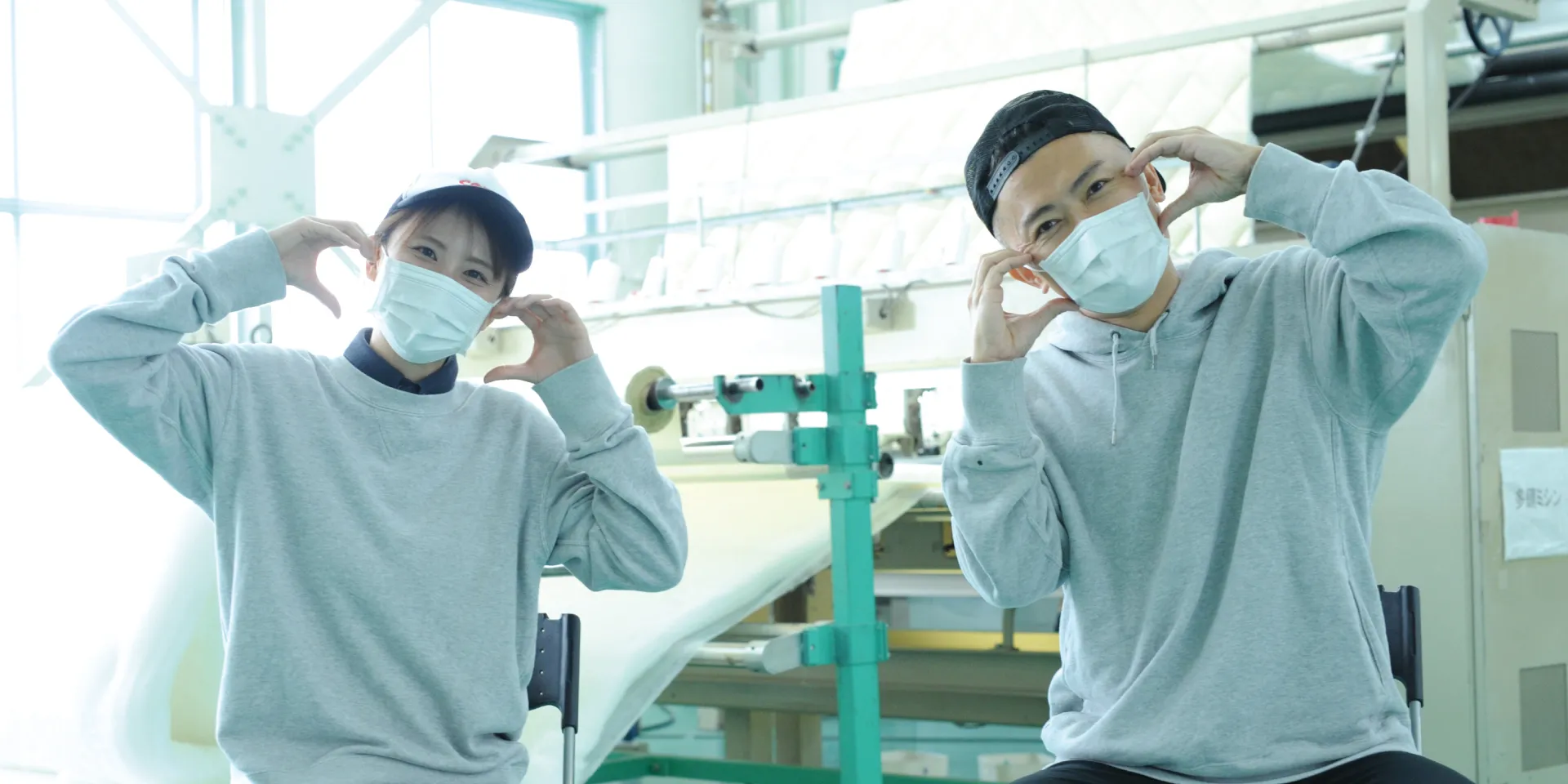
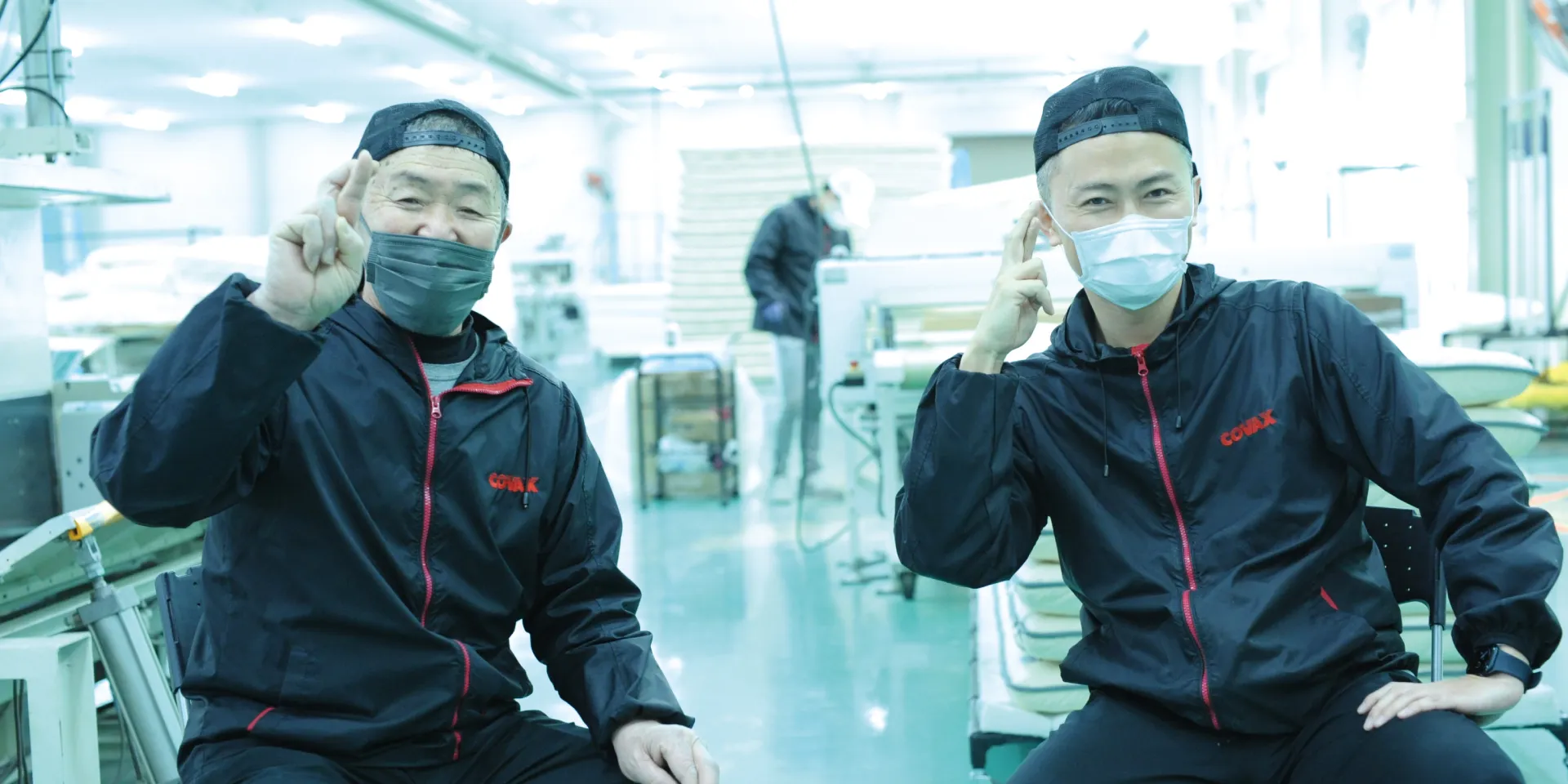
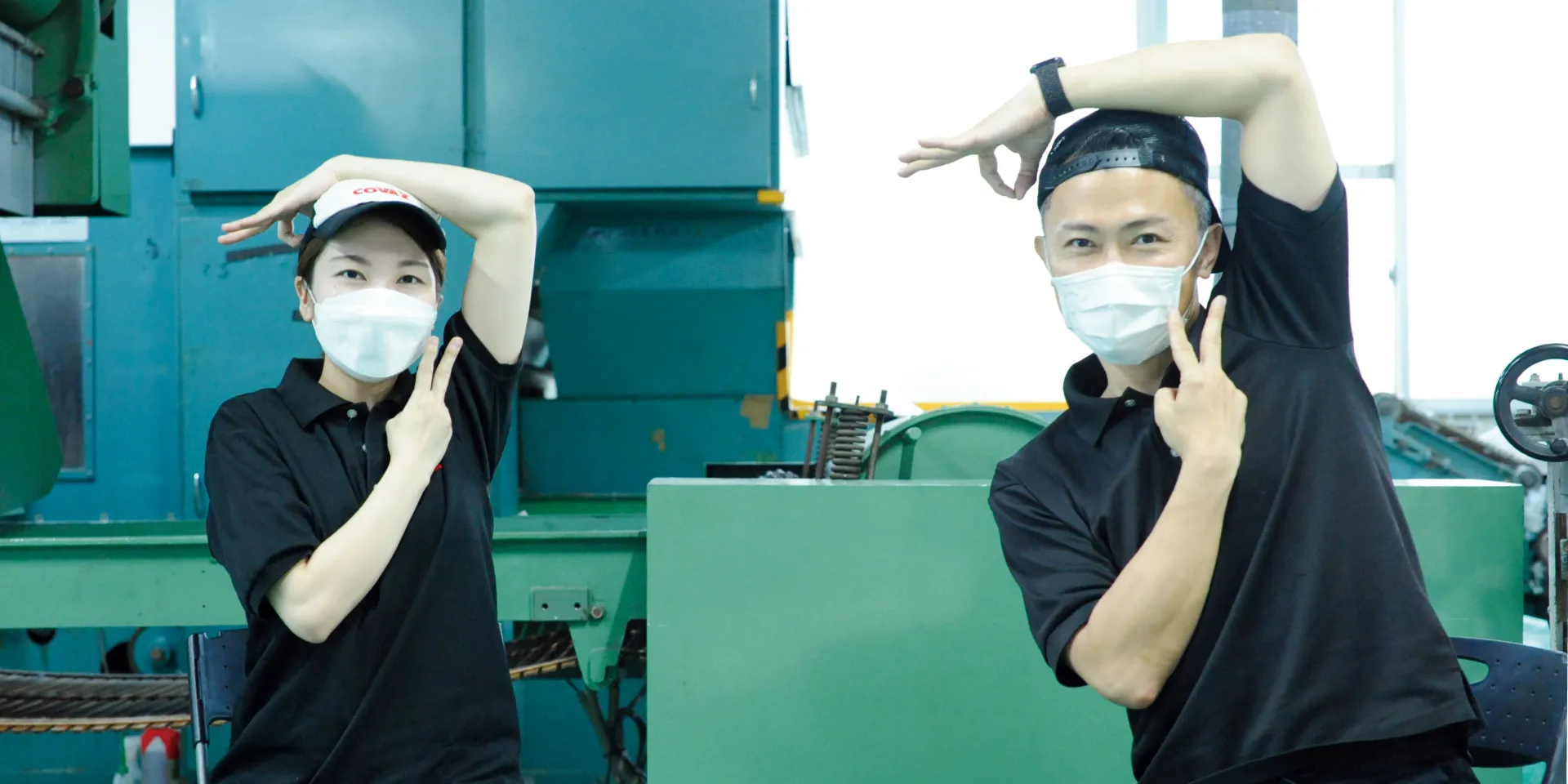
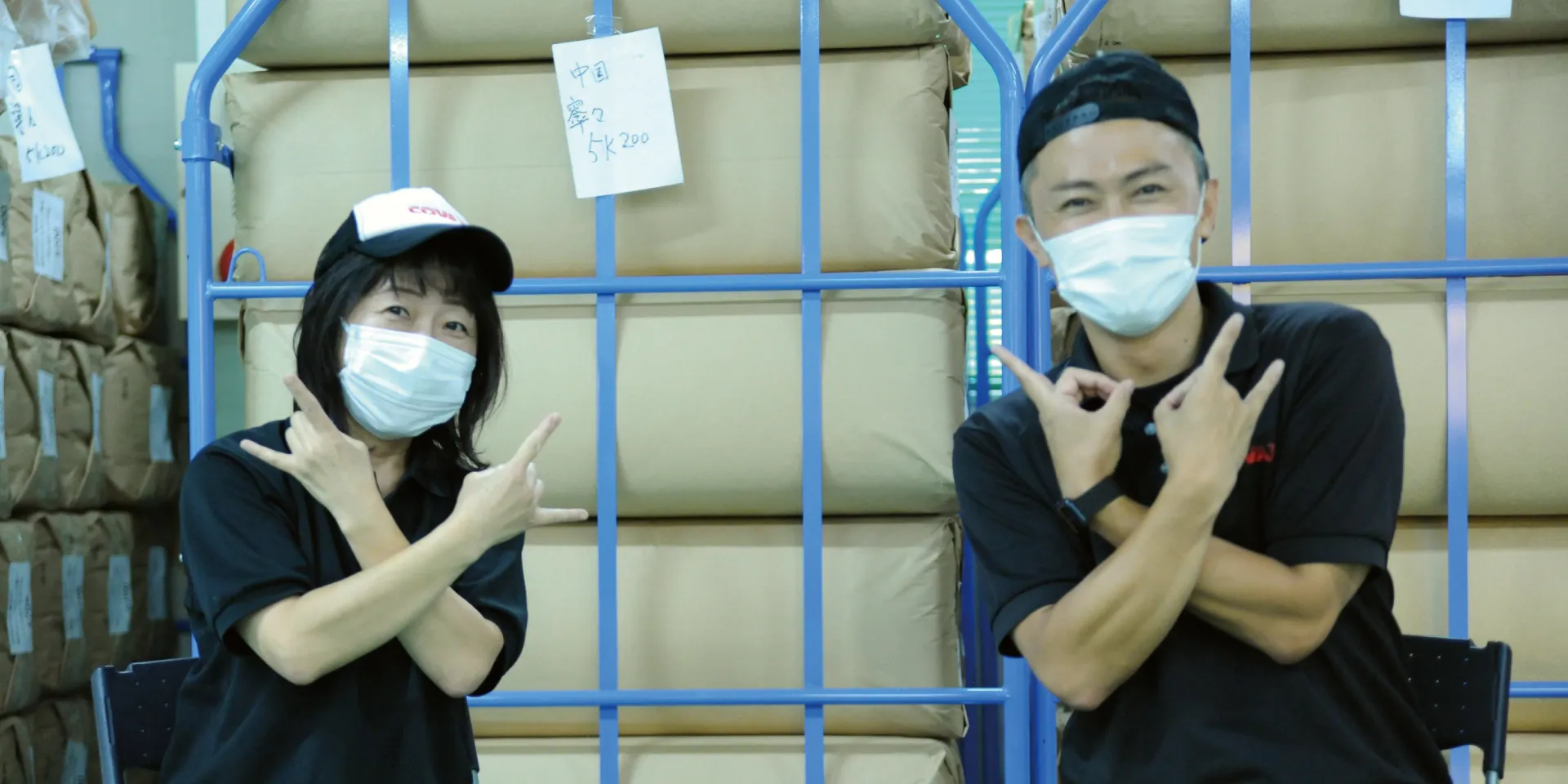
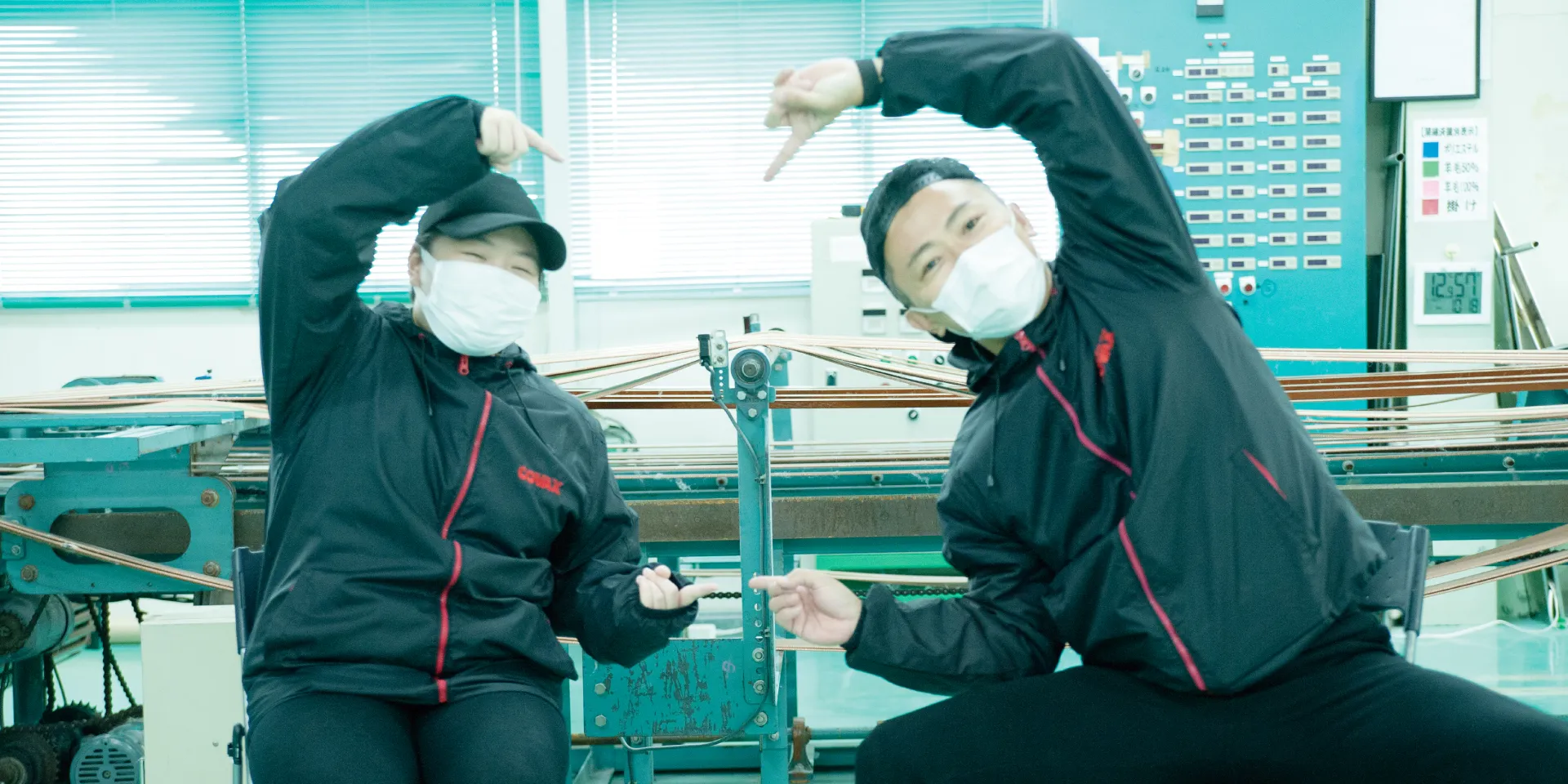
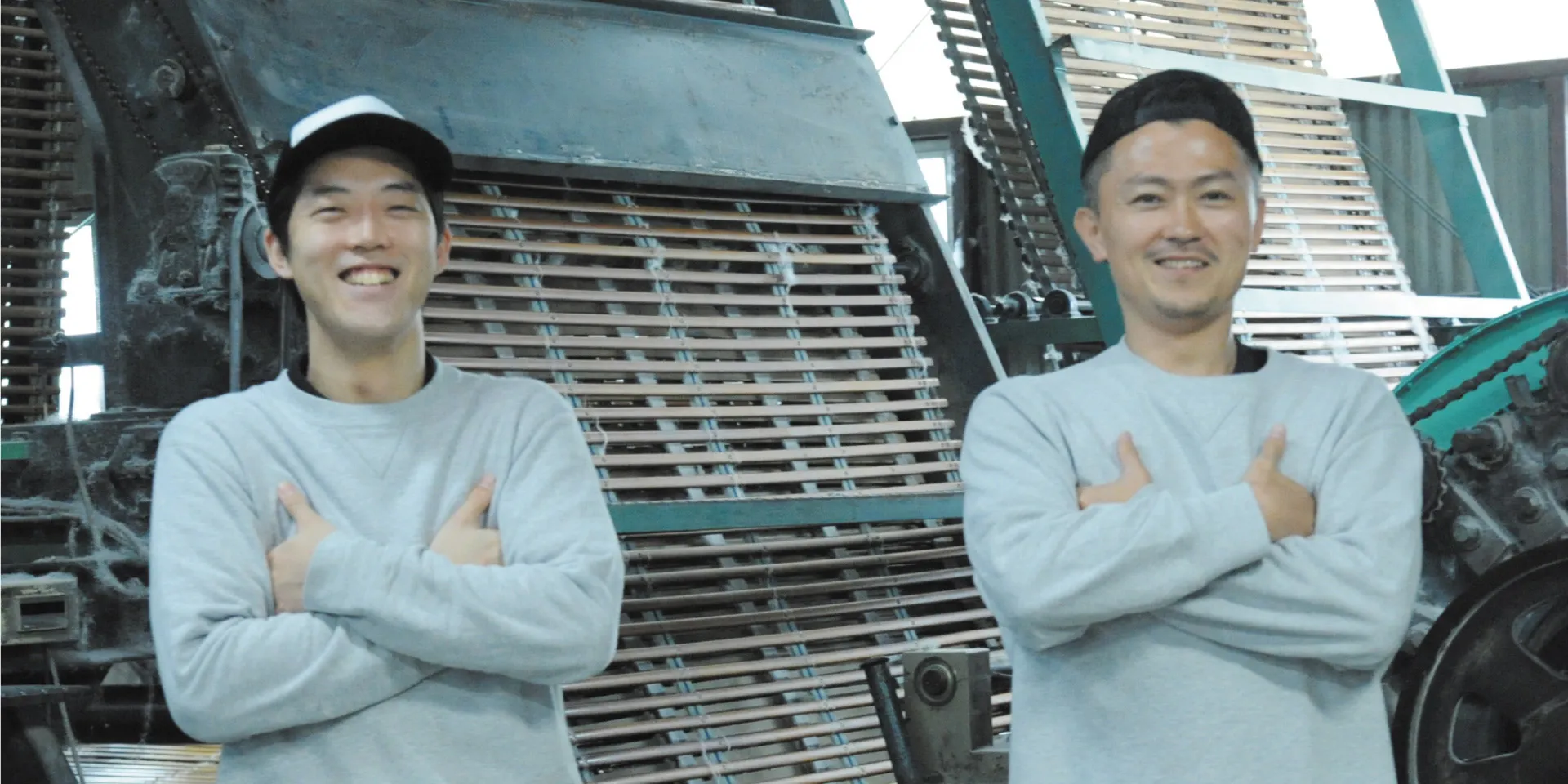
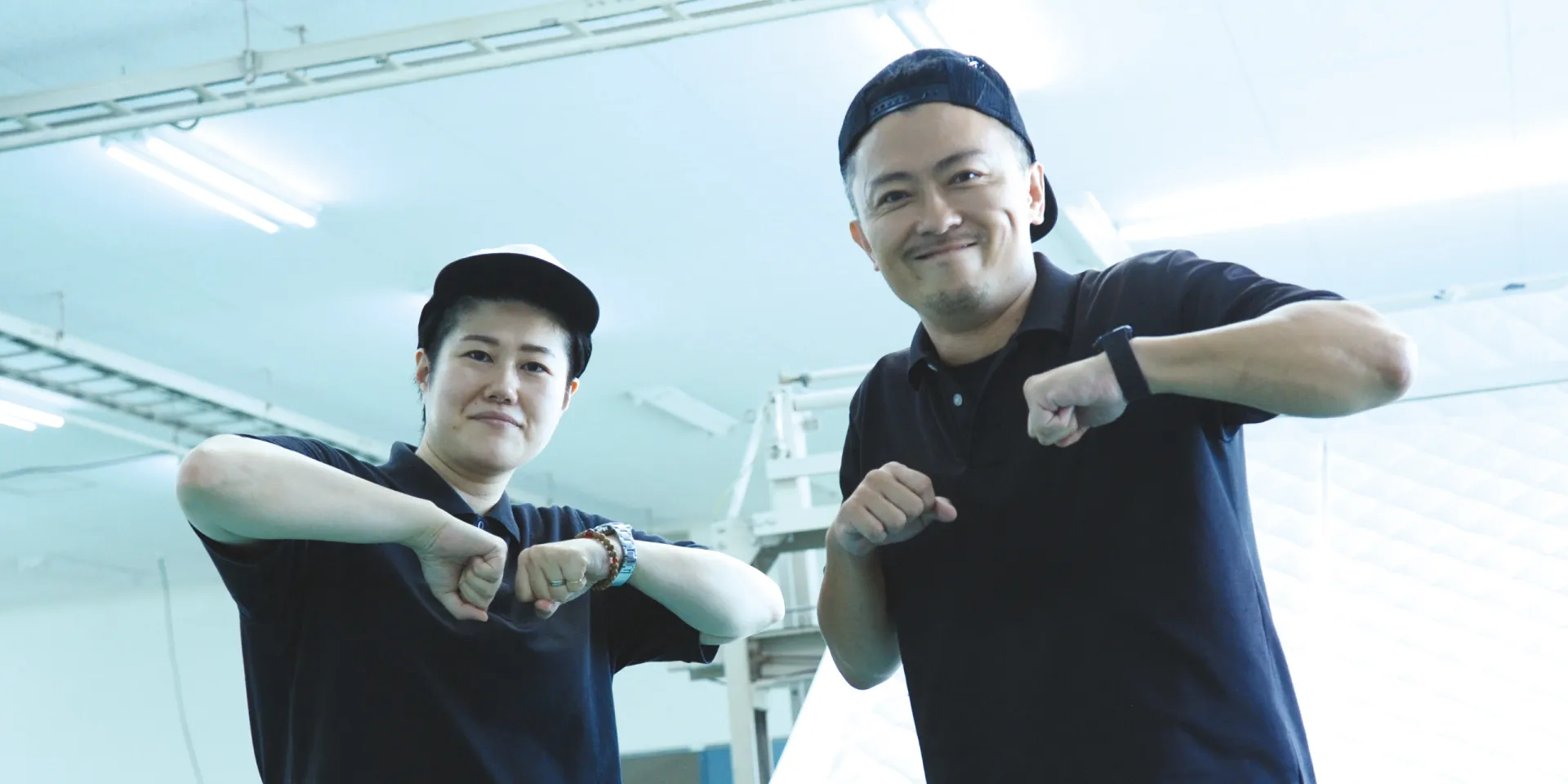
From raw cotton to shipping, every name is in this photo.
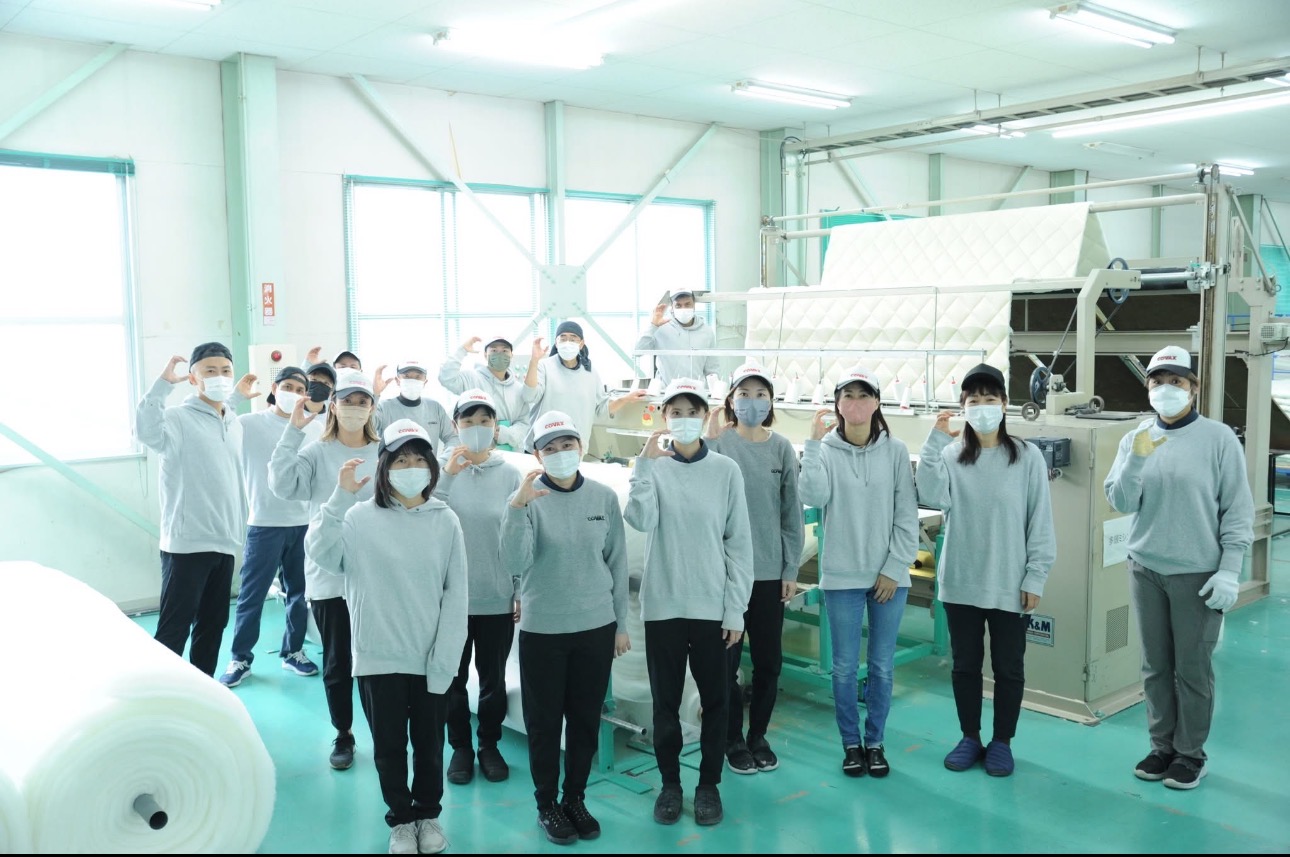
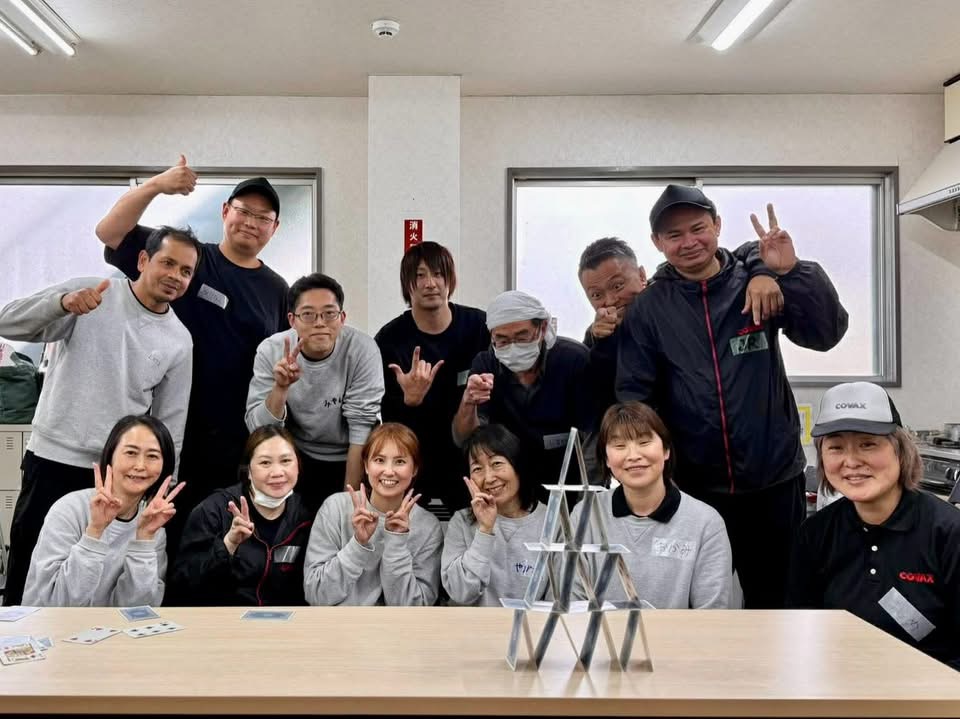
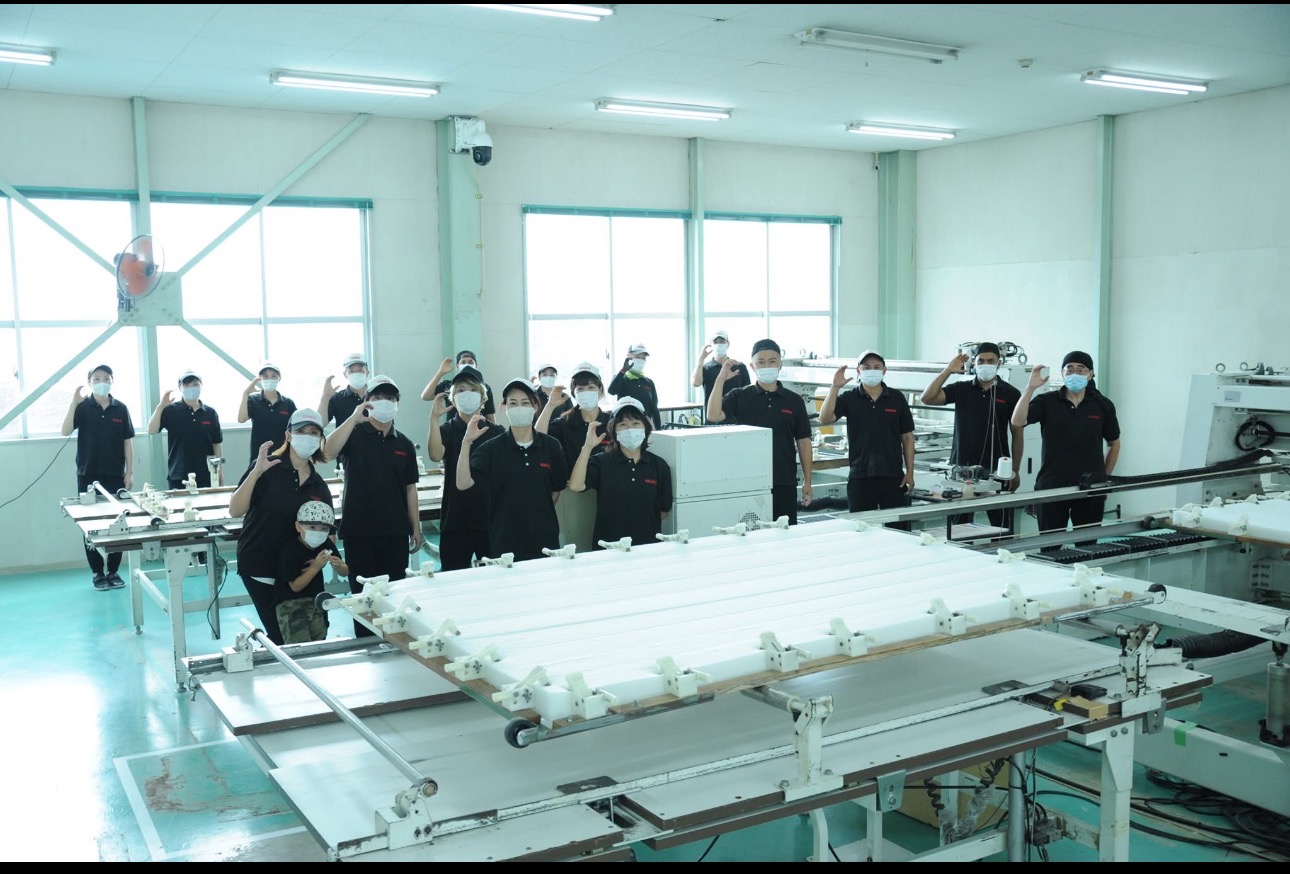
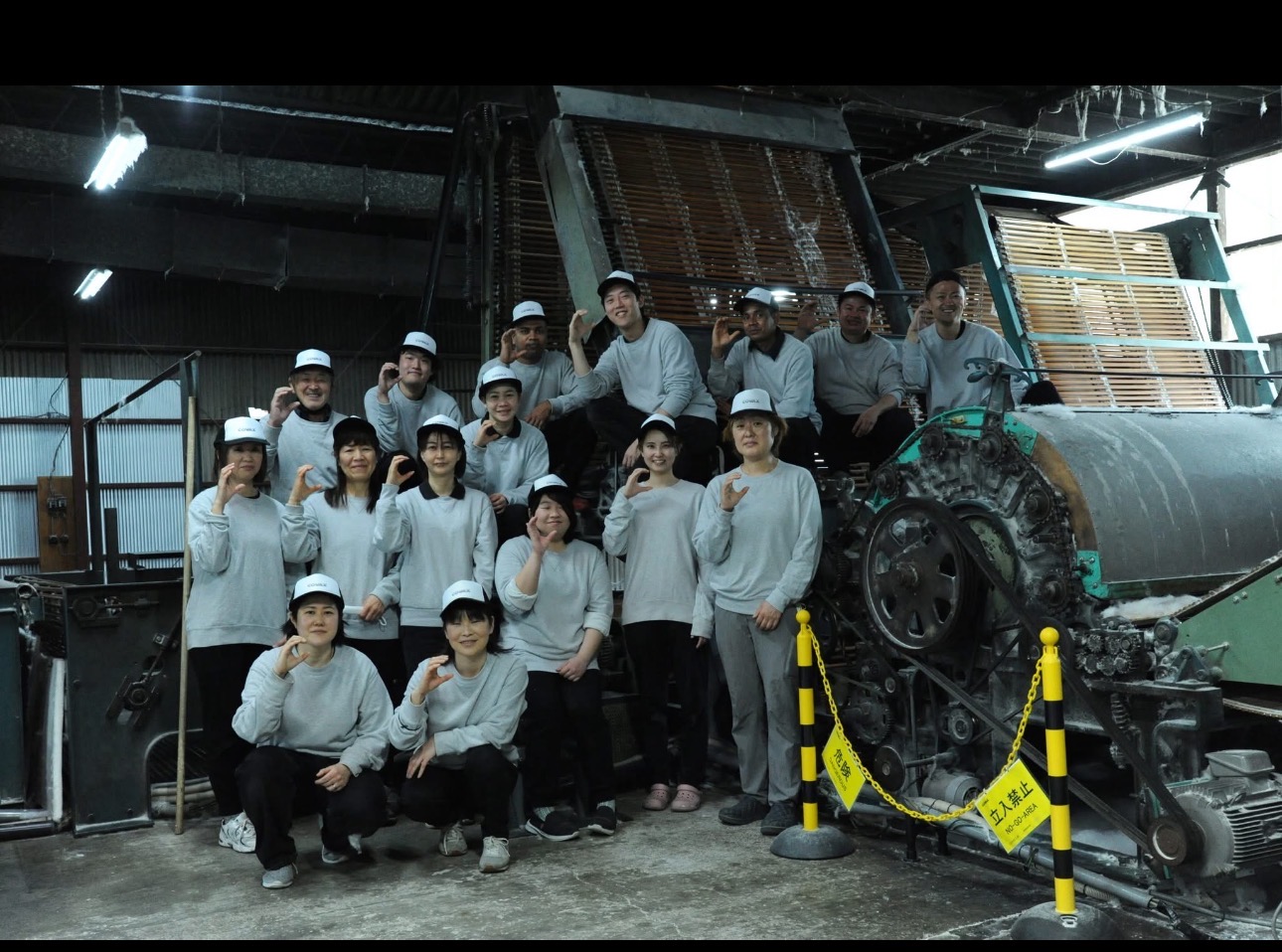
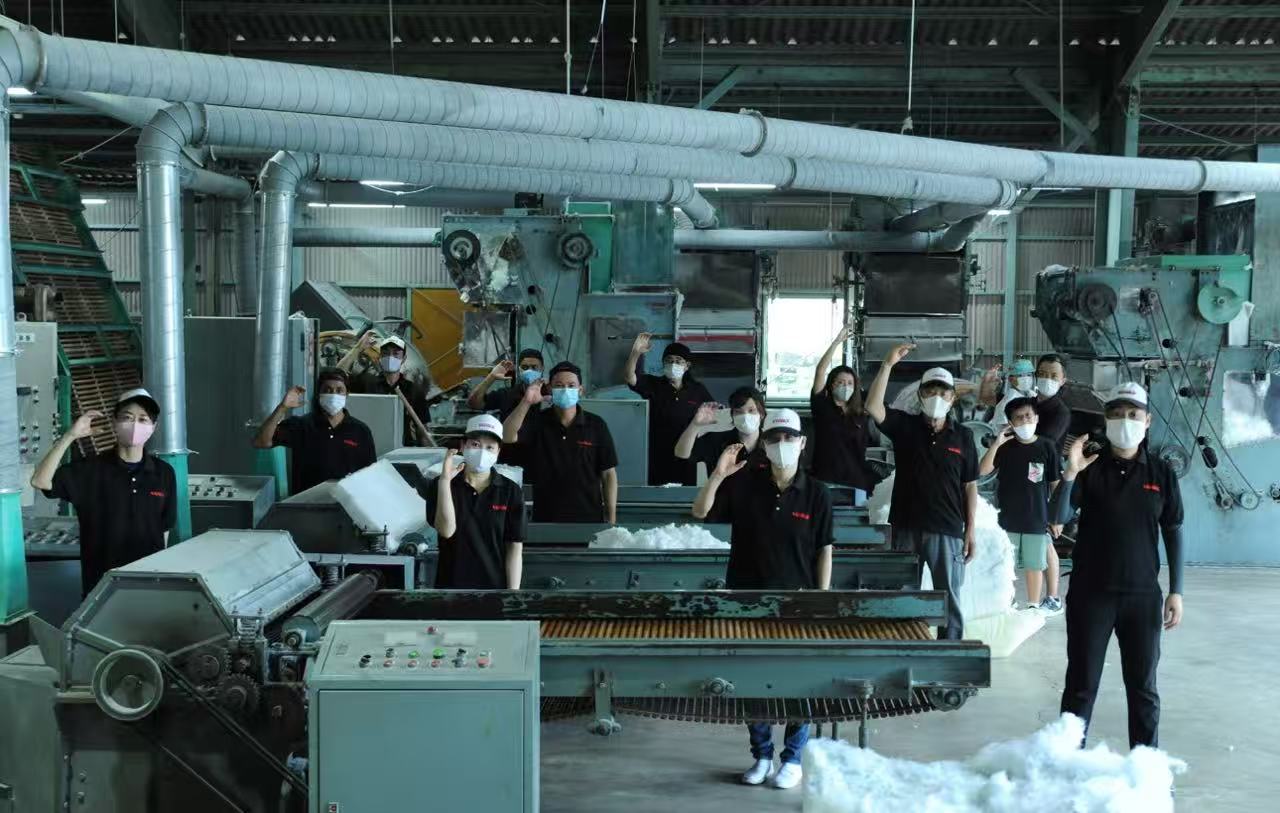
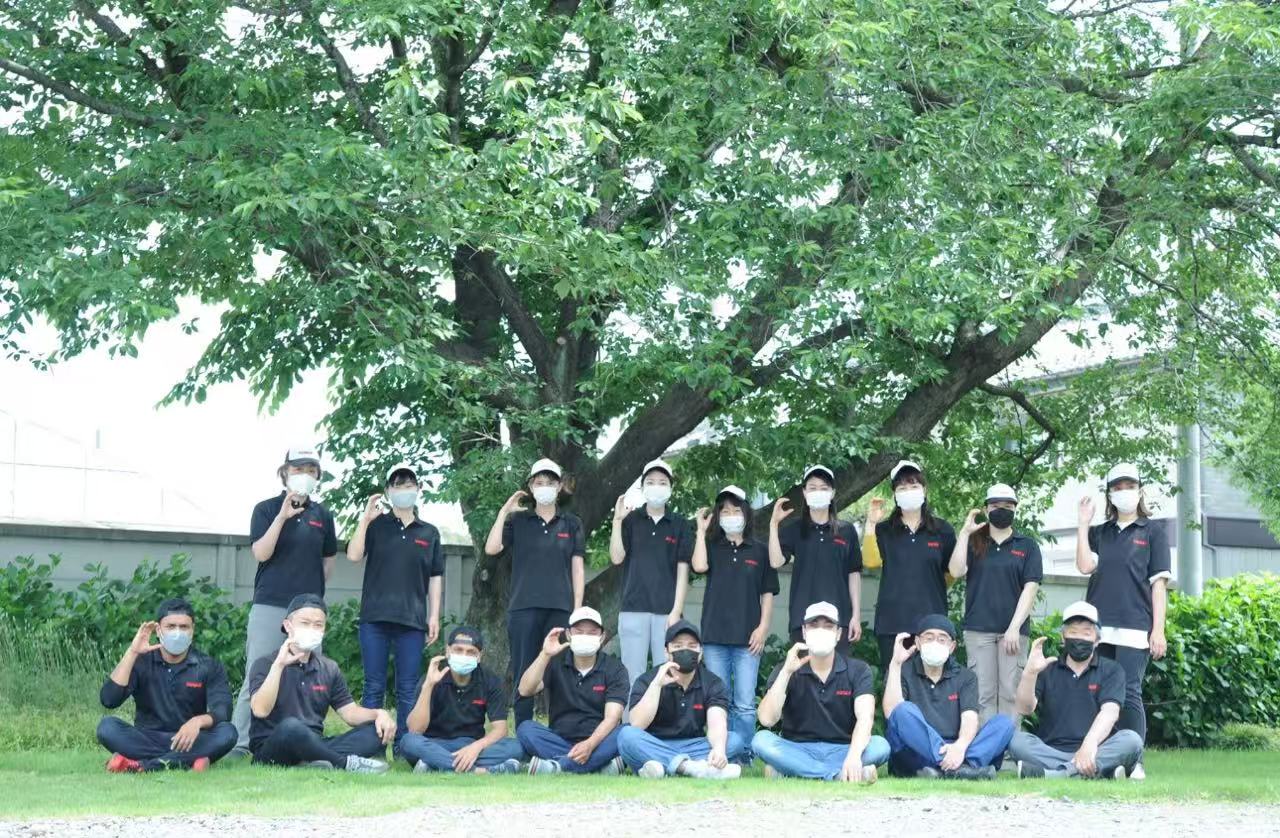
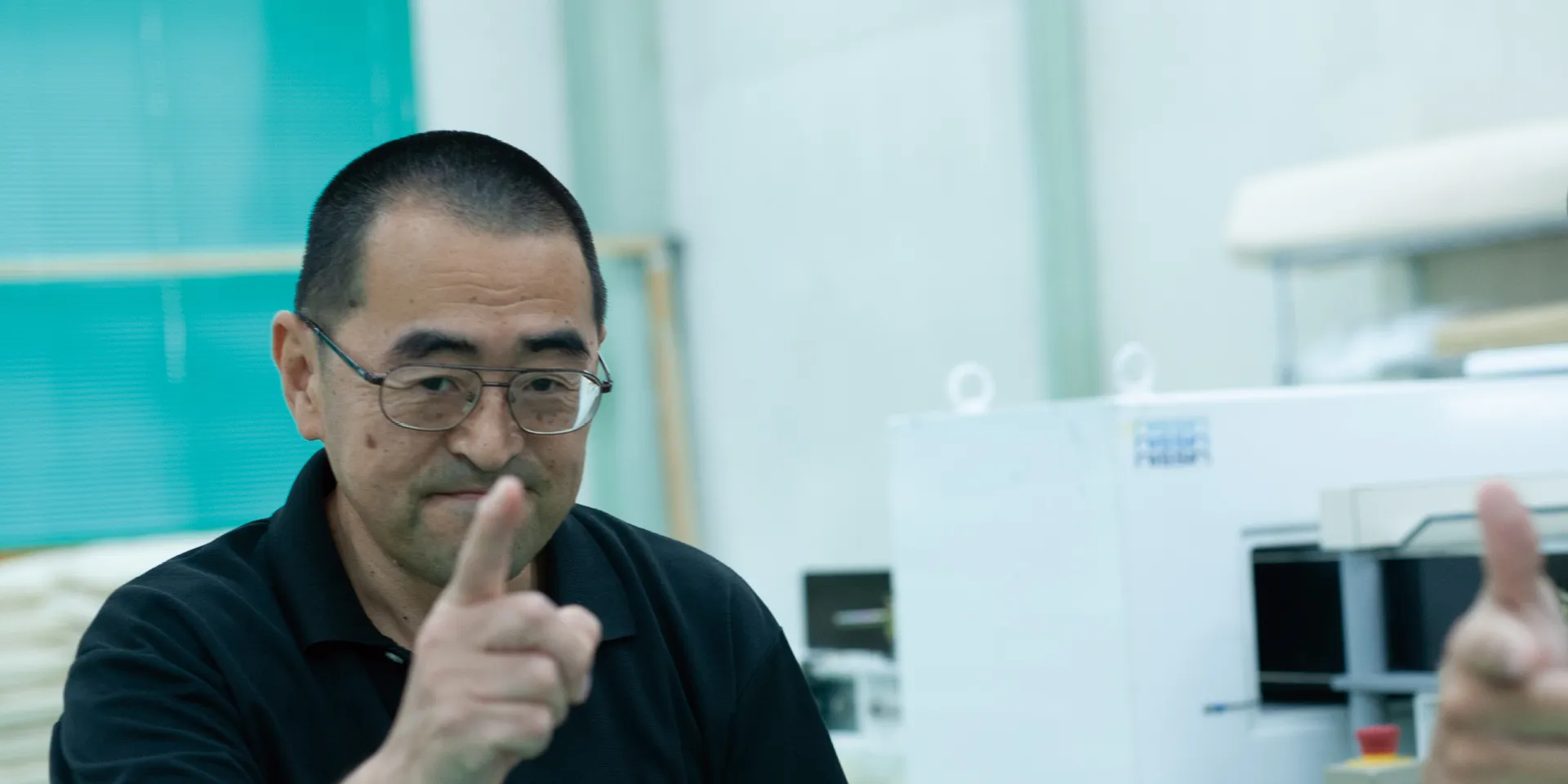
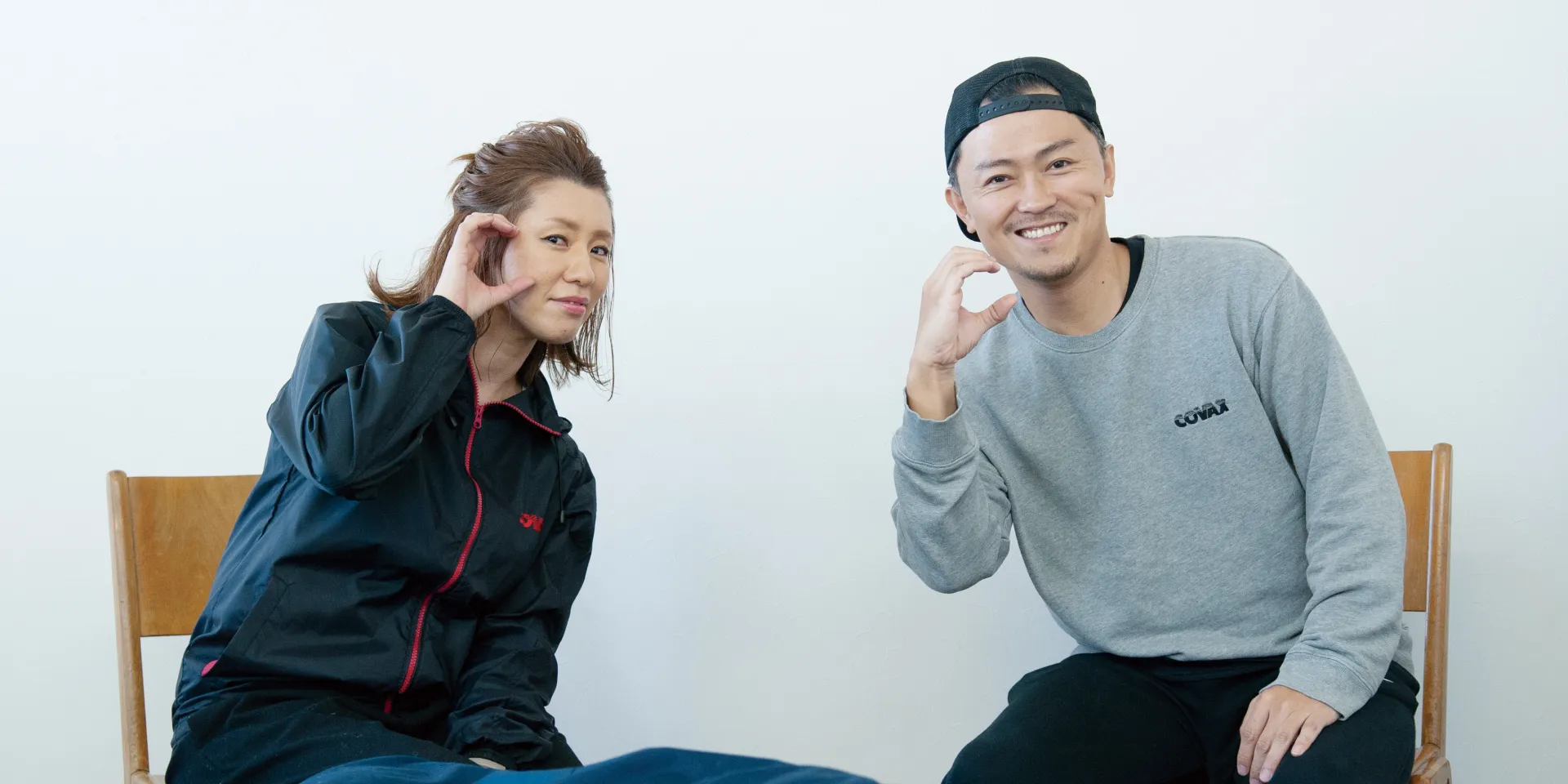
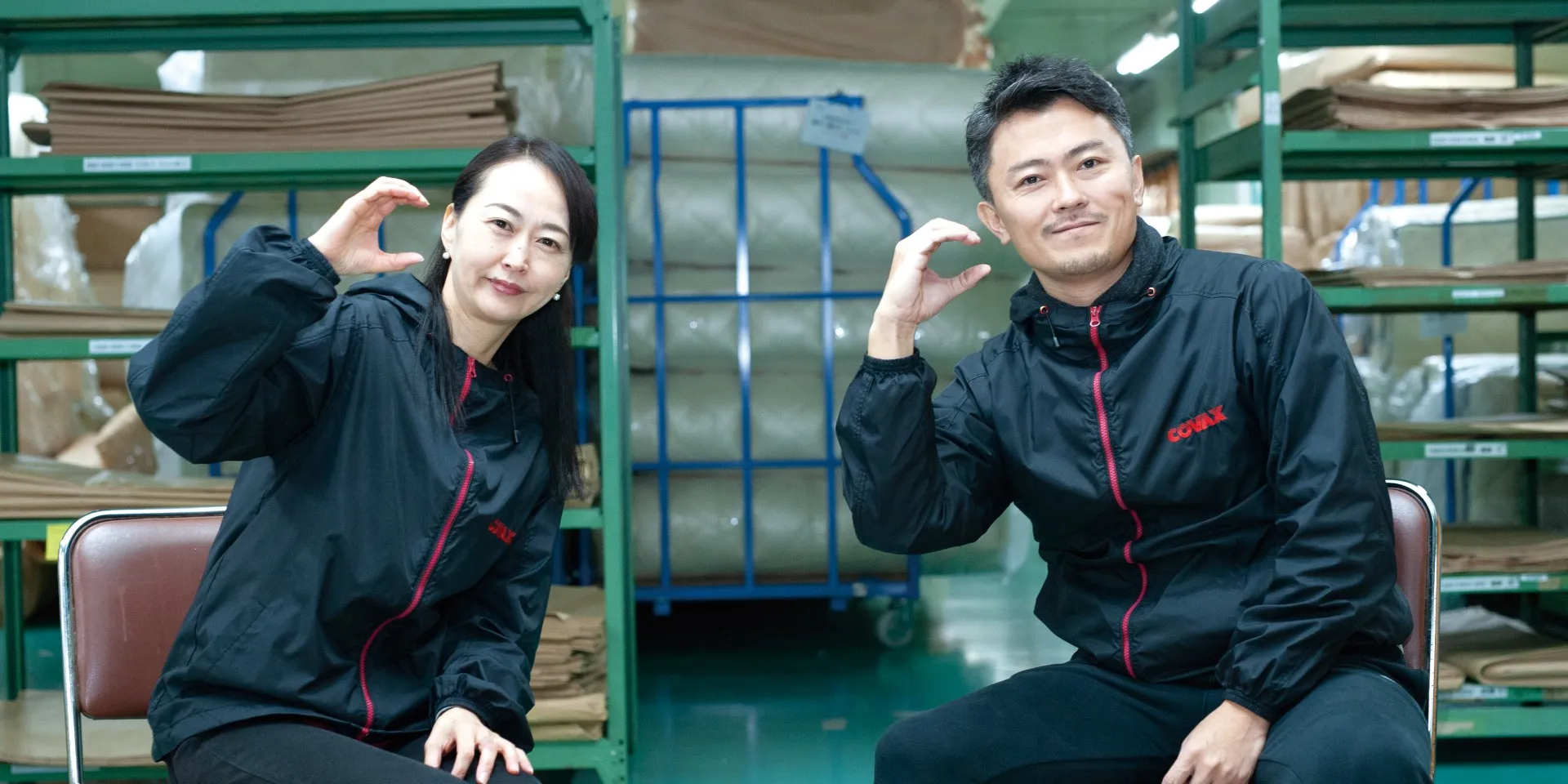
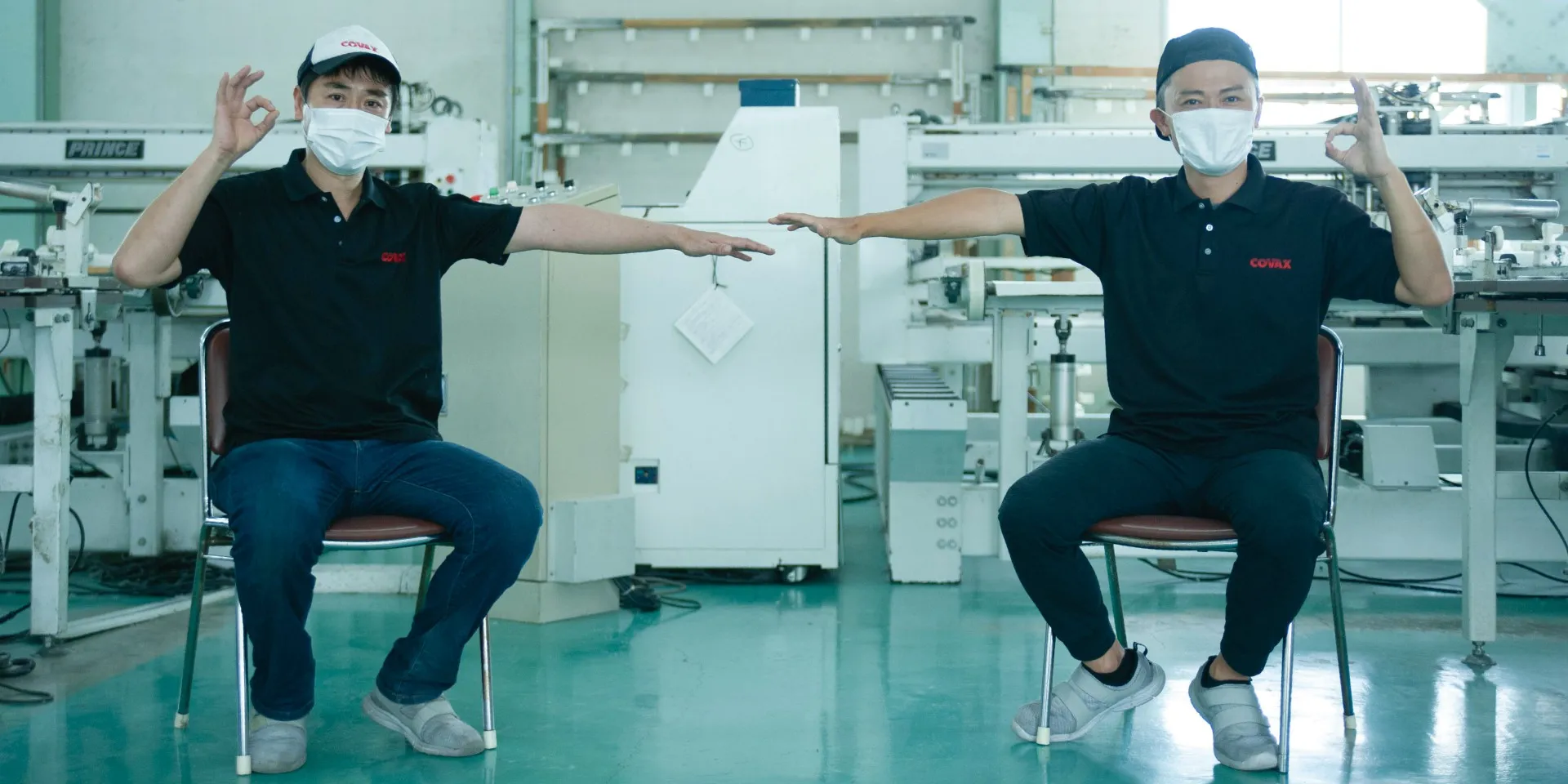
Workshop craftspeople
OFUTON KOBO The 17 craftspeople on the team
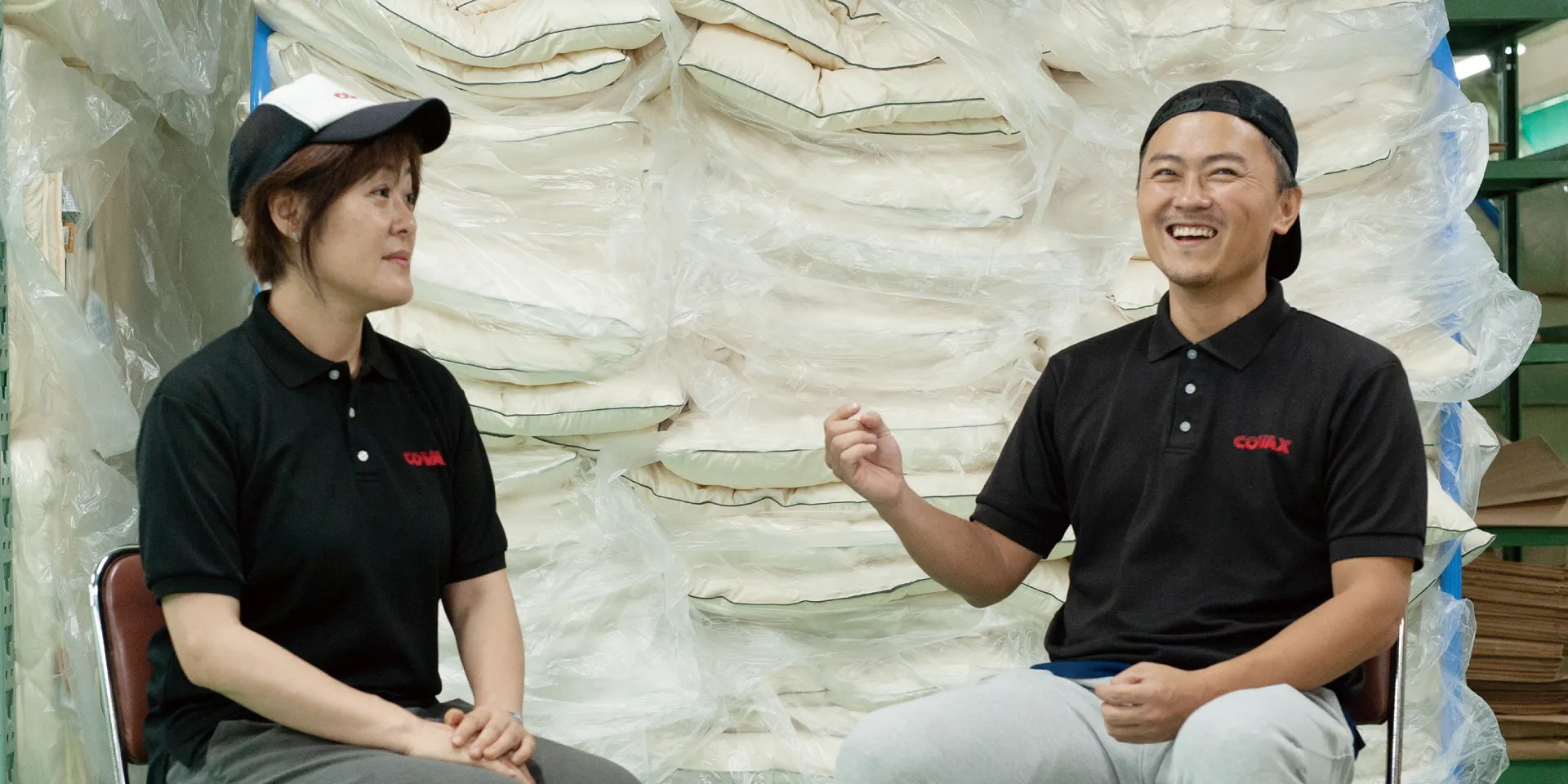
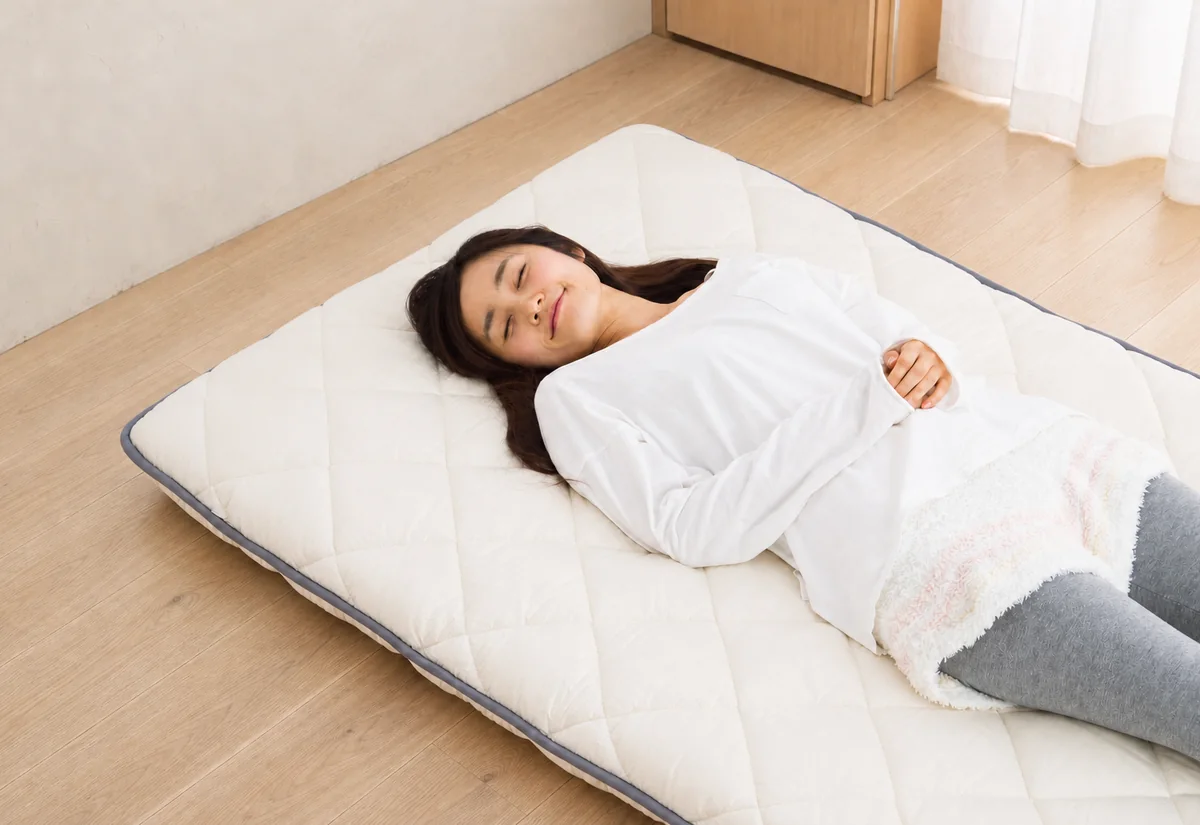
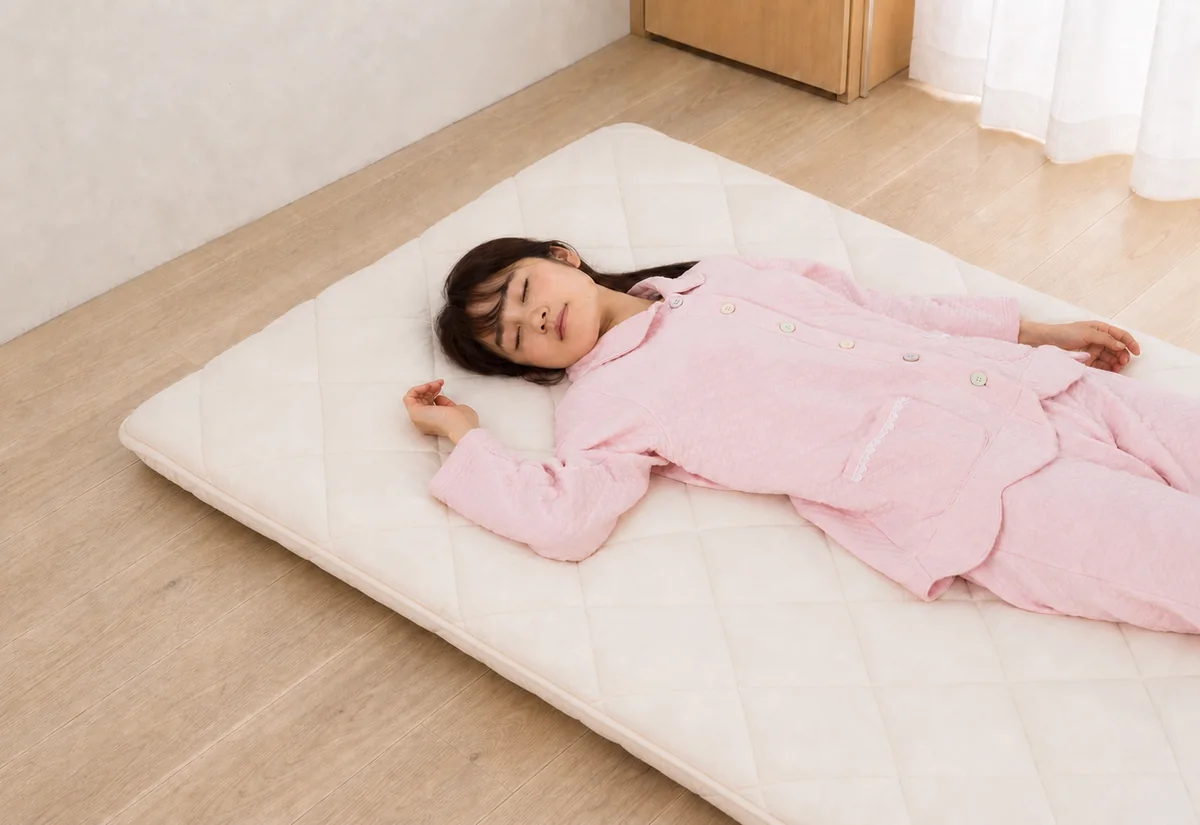
HIMARI · SORA
Choose your Japanese shikibuton.
Compare our two signature models and find the one that fits your way of rest.
Shop Now